Tag Archives: Alice Creischer

atb#120. ATB4ever – Practices of Solidarity

anniversary exhibition! 

Finissage: Sunday, 12 April, 3-6 p.m.

Until than open only by appointment: 01783298106 or 
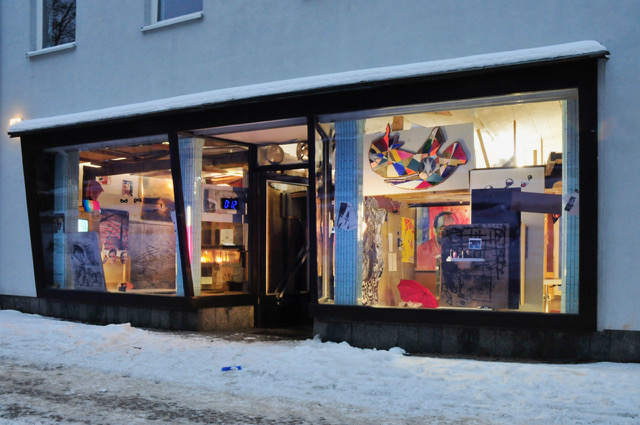
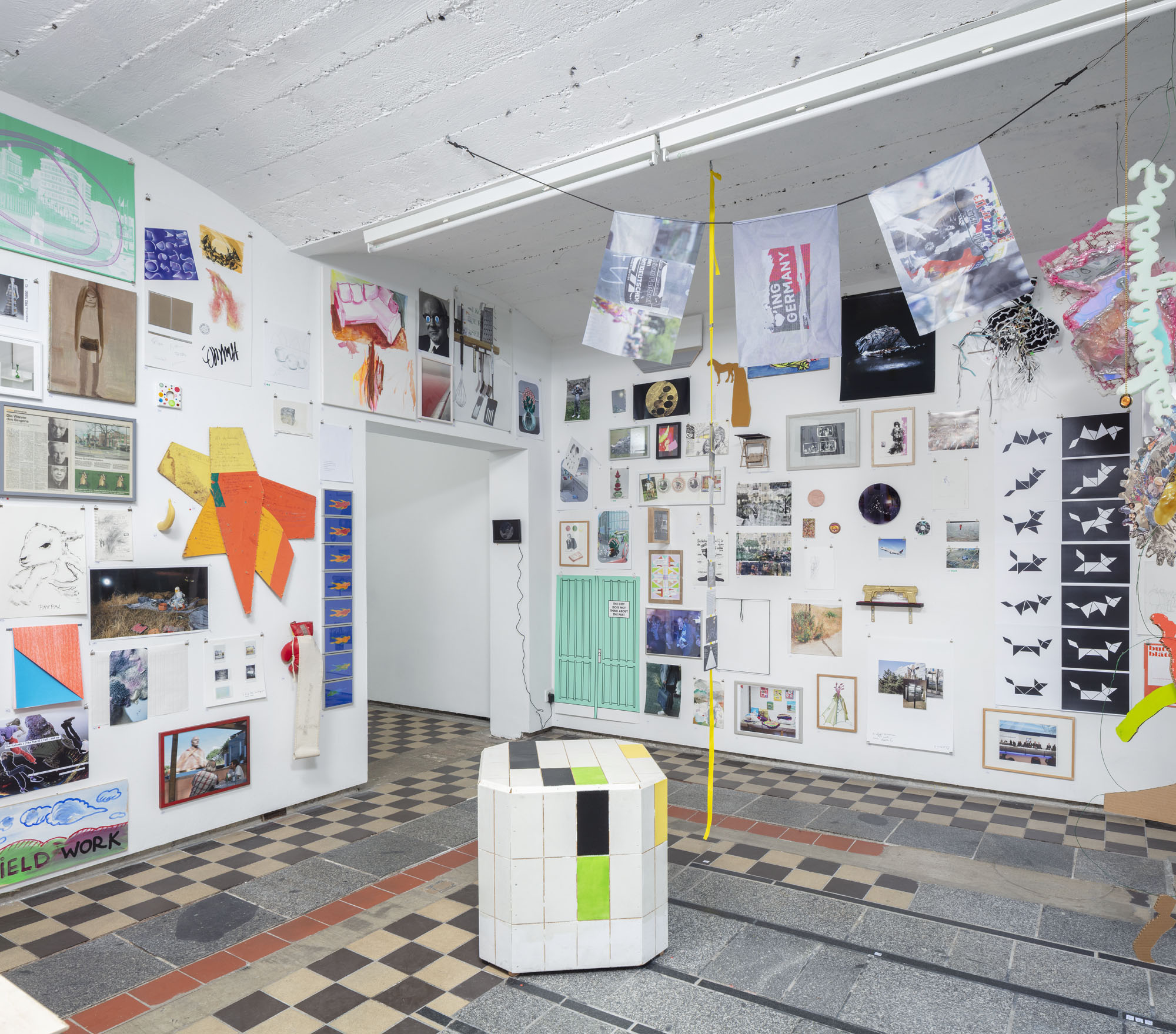
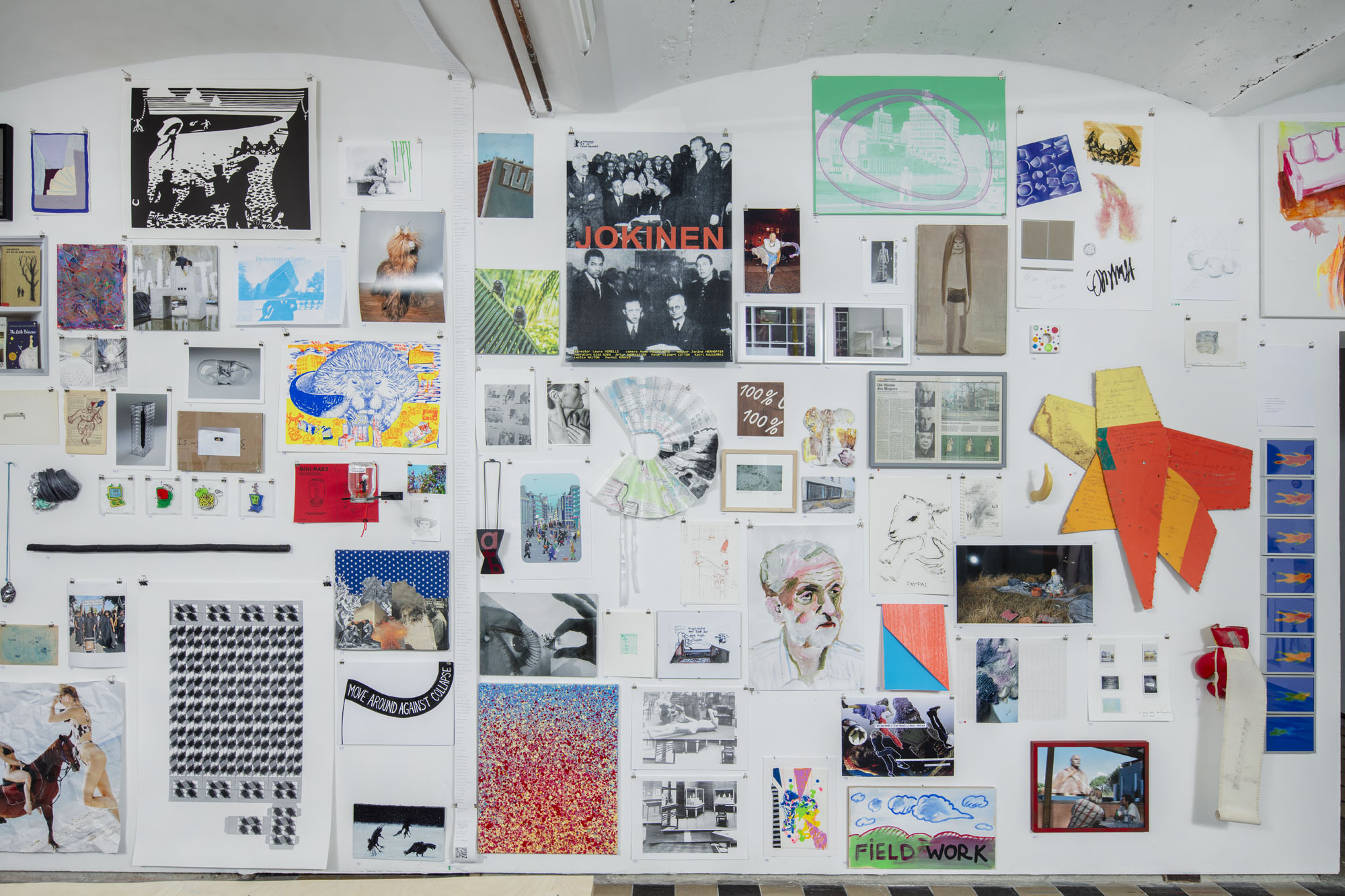
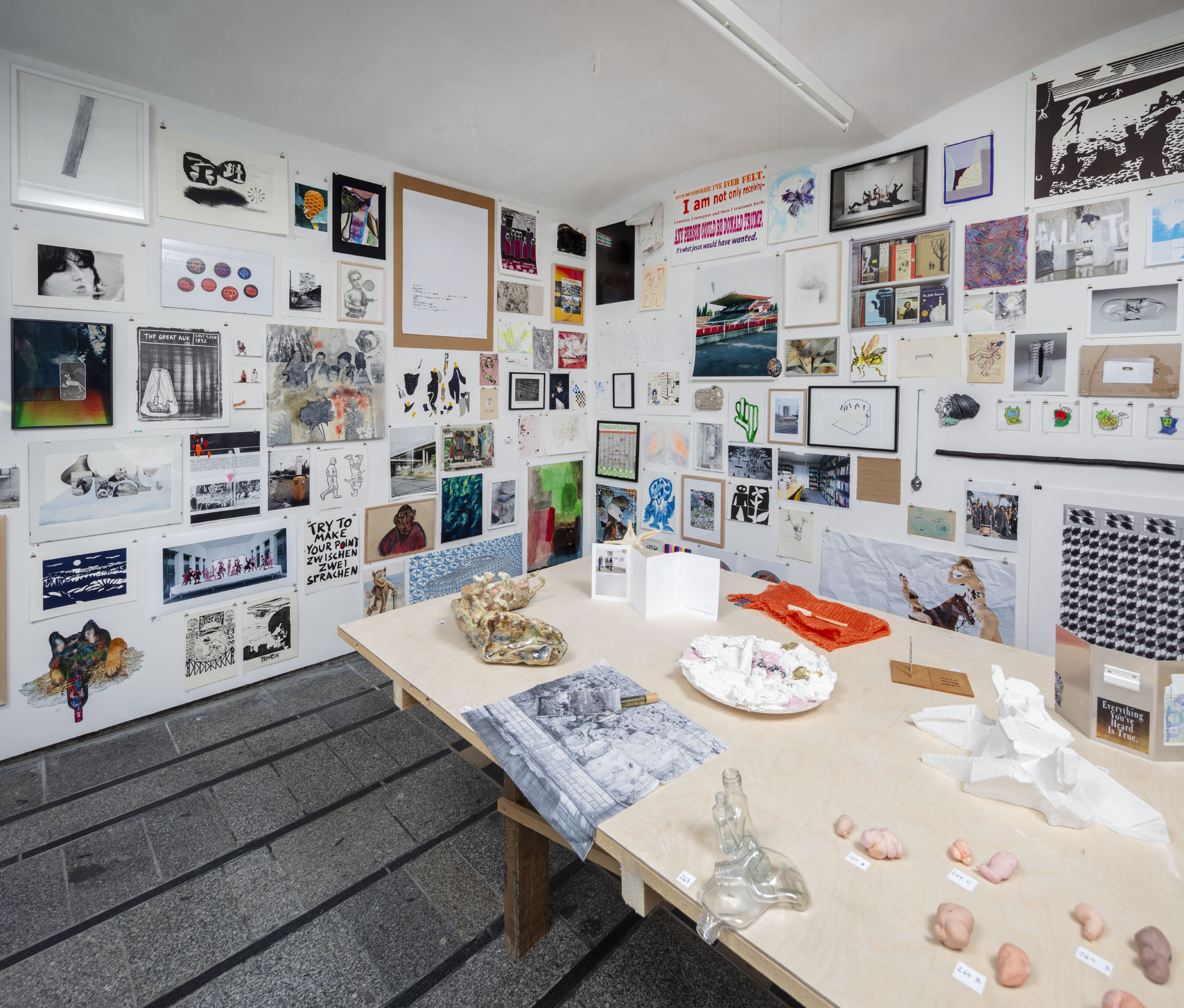
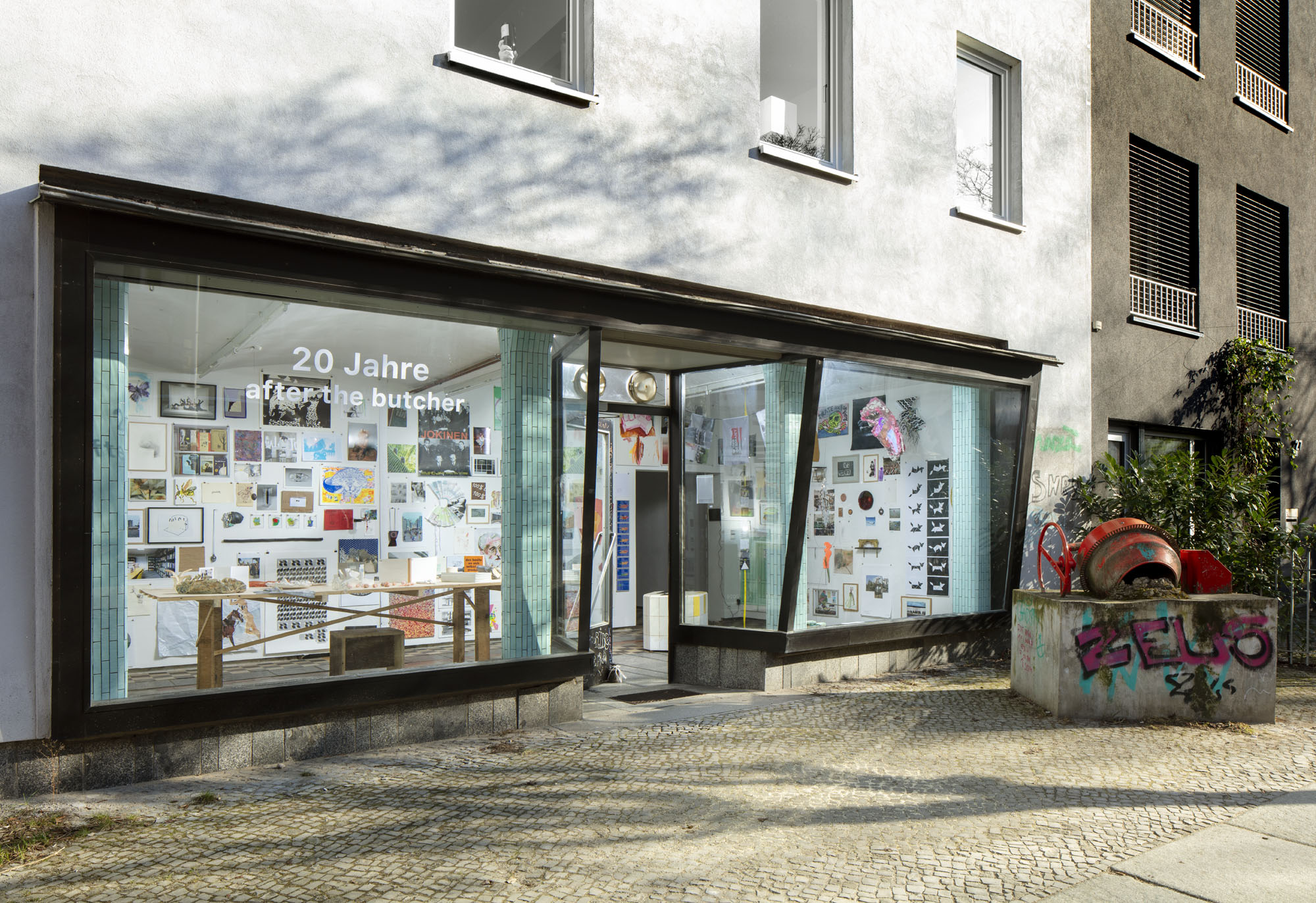
For 20 years, ATB has developed artistic practice in the social sphere – for solidarity, debate, publicity and independence.

To mark this anniversary, we are bringing together companions, accomplices and future allies:

Over 200 artists are participating with fantastic works of art – almost all of which are solidarity contributions.

Come along, celebrate with us – and support our artistic and political work.

We would like to express our sincere thanks to all artists involved for their generosity and trust:

Endre Aalrust, Mohamed Abdulla, Tanya V. Abelson, Erfan Aboutalabi, Lena-Elise Aicher, Efe Aksu, Heather Allen, Ulf Aminde, Ayreen Anastas & Rene Gabri, Michel Aniol, Benjamin Badock, Michael Baers, Jamila Barakat, Thomas Bayrle, Göksu Baysal, Oliver Belling, Anastasiia Belousova & Nico Dasenbrock, Elisa T. Bertuzzo, Charlotte Besuijen, Wolfgang Betke, Michael Beutler, J.R. Blank, Frauke Boggasch, Angela Bonadies, Charlotte Bonjour, Shannon Bool, Elfe Brandenburger, Axel Brandt, Ulu Braun, Wolfgang Breuer, Peter Bux, Suna Choi, Ezra Æ. Church, Costantino Ciervo, Clegg & Guttman, Paul Coldwell, Daniela Comani, Alice Creischer, Sambaran Das, Chto Delat, Winfried Demhartner, Jean-Ulrick Desert, Almut Determeyer, Stephan Dillemuth, Discoteca Flaming Star, Dogan Dogan, Antje Dorn, Eva Durovec, Jutta Eberhard, Martin Ebner, Maria Eichhorn, Michaela Eichwald, Pia Leon Eikaas, Lukas Einsele, Robert Estermann, Katja Eydel, Nadine Fecht, Gard Frantzsen, Heiner Franzen, Doris Frohnapfel, Else Gabriel, Geoffrey Garrison, Florian Gass, Stephan Geene, Axel Gerber, Ingo Gerken, Surya Suran Gied, Gregor Gleiwitz, Jeremy Glogan, Erik Göngrich, Undine Goldberg, Asta Gröting, Stefan Gugerel, Florian Haas, Rosa Lena Händle, Kim Hankyul, Lydia Hamann & Kaj Osteroth, Alex Hamilton, Sebastian Hammwöhner, Tang Han, Lise Harlev, Eva Haule, Jochem Hendricks, Philipp Hennevogl, Cornelia Herfurtner, Friedrich Herz, Heidrun Holzfeind, Andy Hope 1930, Laura Horelli, Sonja Hornung & Daniele Tognozzi, Florian Hüttner, Franziska Hufnagel, Dominique Hurth, HUSS WEISE, Stephan Janitzky, Maarten Janssen, Anet Jünger, Anne Kaminsky, Wendelin Kammermeier, Johanna & Helmut Kandl, Heiko Karn, Katharina Karrenberg, Annette Kierulf, Caroline Kierulf, Thomas Kilpper, Hyon-Soo Kim, Gisela Kleinlein, Barbara Klinker, Franziska Kneidl, Karen Koltermann, Caroline Krause, Till Krause, Solon Krieger, Petra Kübert, Luis Kürschner, Thomas Lang, Gergely László, Birgit auf der Lauer, Laurie Lax, Julia Lazarus, Ines Lechleitner, Niina Lechtonen-Braun, Jens Lehmann, Leon Locher, Thomas Locher, Malte Lochstedt, Romain Loeser, Victoria Lomasko, Britta Lumer, Flo Maak, Haure Madjid, Lee Maelzer, Katrin von Maltzahn, Rita Marhaug, Maslowski/Grenzhaeuser, Corinna Mayer, Hans-Jörg Mayer, Jonathan McLeod, Eric Meier, Eva Christina Meier, Michaela Melian, Helmut Menzl, Lilly Merck, Yves Mettler, Karolin Meunier, Jöran Möller, Jörg Möller, Stephan Mörsch, Eduardo Molinari, Tobias Morawski in Kollaboration mit ANPU VARKEY und TFTS/RYC, Christina Morhardt, Ariane Müller, Karsten Neumann, Rainer Neumeier, Irina Novarese, Clare O’Connor, Sim Oerthel, Julia Oschatz, Orakel, Elvis Osmanovic, Ottjörg A.C., Ludger Paffrath, Sophie Pape, Caspar Pauli, Stefan Pente, Manfred Pernice, Hans Petri, Pfelder, Ciara Phillips, Susanne Pittroff, titre provisoire (Cathleen Schuster & Marcel Dickhage), Josephine Pryde, Rena Rädle & Vladan Jeremic, JP Raether, Ayumi Rahn, Bianca Rampas, Judith Raum, Claudia Reinhardt, Barak Reiser, Gunter Reski , Bernward Reul, Mirja Reuter, Nina Rhode, Jens Risch, Stefan Römer, Judy Ross, Ulla Rossek, Anastasya Ryabova, Yaser Safi, Julia Sand, Giovanna Sarti, Edwin Schäfer, Romana Schmalisch & Robert Schlicht, Martin Schmidl, Dierk Schmidt, Konstanze Schmitt, Christian Schwarzwald, Maya Schweizer, Ulrika Segerberg, Thomas Seidemann, Eva Seufert, Katarina Šević, Setareh Shabazi, Andreas Siekmann, Nelly Siekmann, Sigune Siévi, Dominik Sittig, Sean Snyder, Kathrin Sonntag, Selou Sowe, Carola Spadoni, Sarah Staton, Ernst Markus Stein, Anton Stoianov, Veit Stratmann, Caro Suerkemper, Jan Svenungsson, Rebecco Ann Tess, Mirjam Thomann, Jan Timme, Sophie Trenka-Dalton, Petra Trenkel, Micki Tschur, Julian Turner, Sveinung Unneland, Bernadette Van-Huy, Maria Vedder, Katleen Vermeir & Ronny Heiremans, Gabriela Volanti, Raul Walch, Ute Waldhausen, Fritz Laszlo Weber, Klaus Weber, Herbert Wiegand, Philip Wiegard, Klaus Winichner, Norbert Witzgall, Alexander Wolff, Elisabeth Wood, Ina Wudtke, Florian Wüst, Simiao Yu, Simone Zaugg, Günter Zehetner, Joseph Zehrer, Anna Zett, Florian Zeyfang, Xiaopeng Zhou, Christina Zück and others
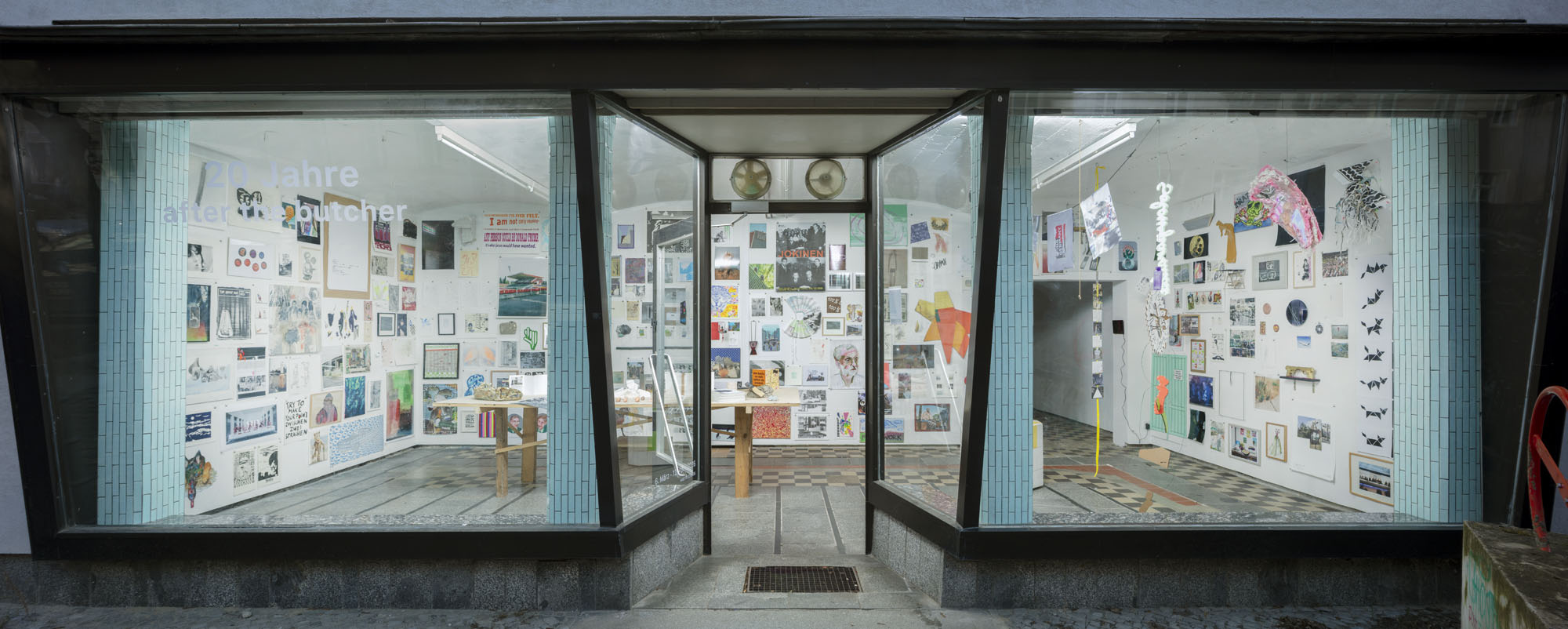
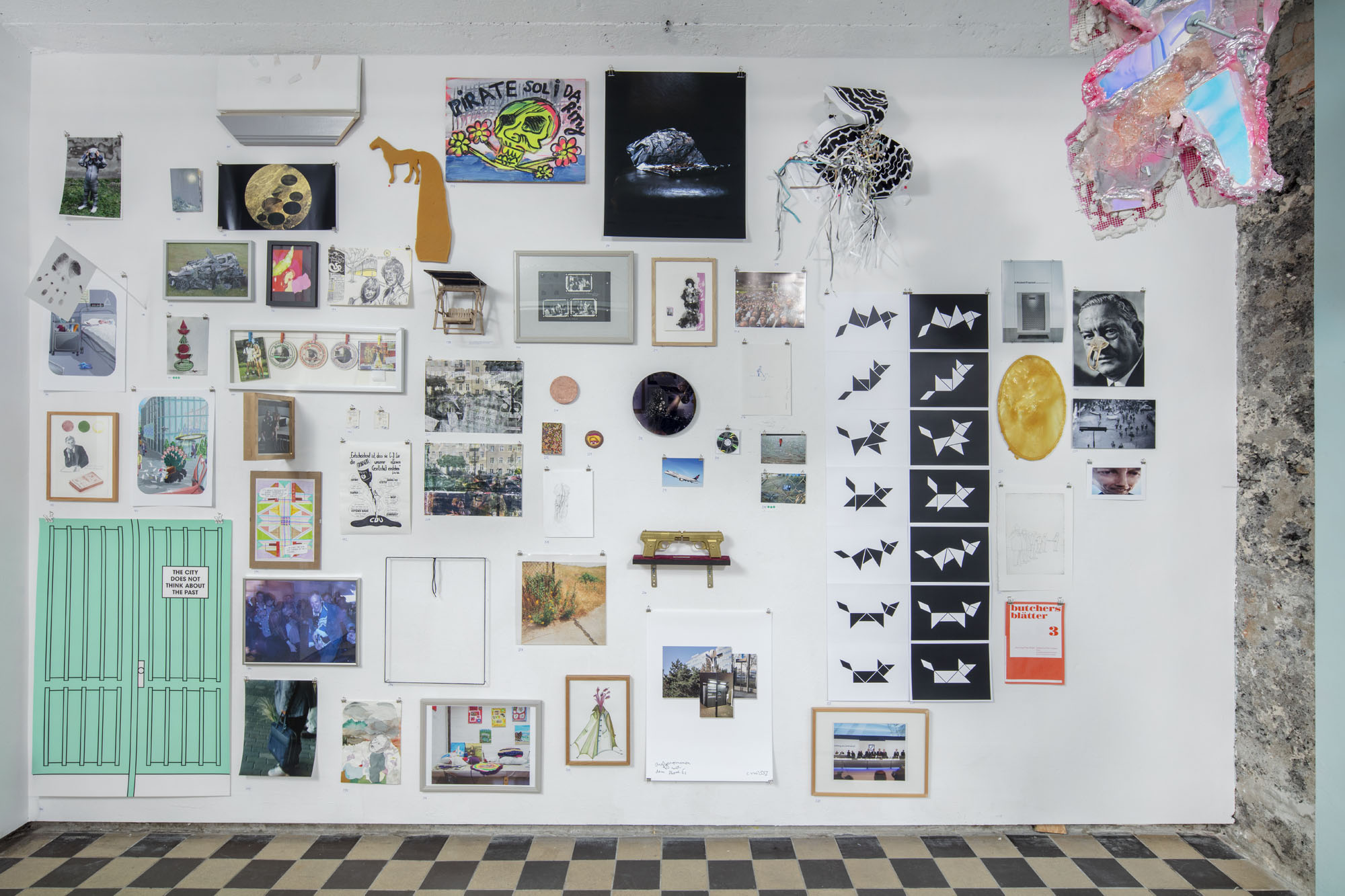
photography: Ludger Paffrath

atb #82 | Stadt und Knete. Positionen der 1990er Jahre

Press release download

November 20, 2020 – March 7, 2021

artists: A-Clip, Gruppe Gummi K / MicroStudio Surplus (Alice Creischer, Martin Ebner, Christoph Keller, Ariane Müller, Andreas Siekmann, Nicolas Siepen, Josef Strau, Klaus Weber, Amelie von Wulffen), Jaaaa & Protzband Nicolas Siepen, Siegfried Koepf & Martin Ebner & Gunter Reski, Josef Kramhöller, NEID, Annette Wehrmann, Ina Wudtke, Amelie von Wulffen and others.

On Thursday February 18, 7 p.m. KW Institute for Contemporary Art, Berlin and after the butcher invite you to an Onlinetalk about the exhibition. Speakers are: Annette Maechtel, Thomas Kilpper, Ina Wudtke and Kathrin Bentele.

Exhibition: November 20, 2020 – March 7, 2021. Due to the current lockdown and until further notice, the exhibition can only be visited online: videowalk through the exhibition.

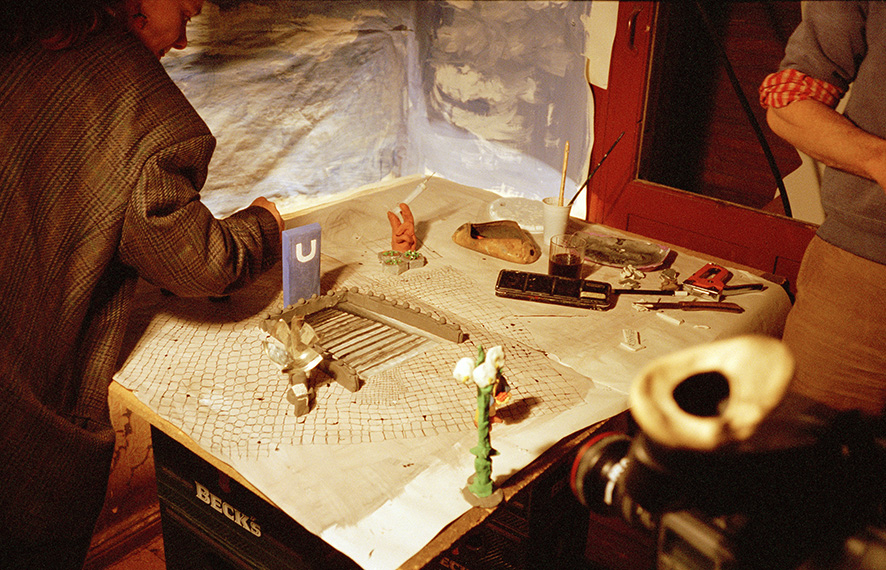
Production of an A-Clip, 1997, Photo: Katja Eydel

after the butcher presents the group exhibition Stadt und Knete. Positionen der 1990er Jahre, running in parallel with the solo exhibition by Amelie von Wulffen at KW Institute for Contemporary Art, Berlin. A collaboration between KW and after the butcher, the show revolves around four collaboratively produced animation films: Infobox (1996), Wie eins zum anderen kam (1996), and Die Krumme Pranke and Egoland (both 1997). The work Infobox by the Berlin artists’ group Jaaaa & Protzband Nicolas Siepen, Siegfried Koepf & Martin Ebner & Gunter Reski, MicroStudio Surplus reads as a commentary of its time on the structural development of Potsdamer Platz in Berlin. The work also refers to the so-called “Infobox” pavillion, which was installed from 1995 to 2001 at Leipziger Platz.

In 1996, the group Gummi K / MicroStudio Surplus produced the video work Wie eins zum anderen kam, which vitriolicly and ironically criticizes the major exhibition Nach Weimar at the Neues Museum Weimar, organized by Klaus Biesenbach and Nicolaus Schafhausen. The work addresses the structural relationships between the Neues Museum and the Gauforum, with the latter being built in the National Socialist era, as well as the resulting legitimization of fascist architecture as an exhibition space for contemporary art.

Die krumme Pranke, a video work by Alice Creischer, Andreas Siekmann, Josef Strau and Amelie von Wulffen performs in the lineage of the classic Derrick crime-series. Situated in Berlin, the visual vocabulary of this metropolitan thriller moves between documentary shots and fictional animation. Domestic politics and the development areas of the 1990s act as central motifs of this filmic montage, in which the artists shift from art practice to political activism and reverse.

Egoland from 1997, is a 55-second cinema spot from the A-Clip series. Collectively produced, the political messages of the A-Clips were first inserted by various cinema projectionists in Berlin in the commercial breaks before the main film.

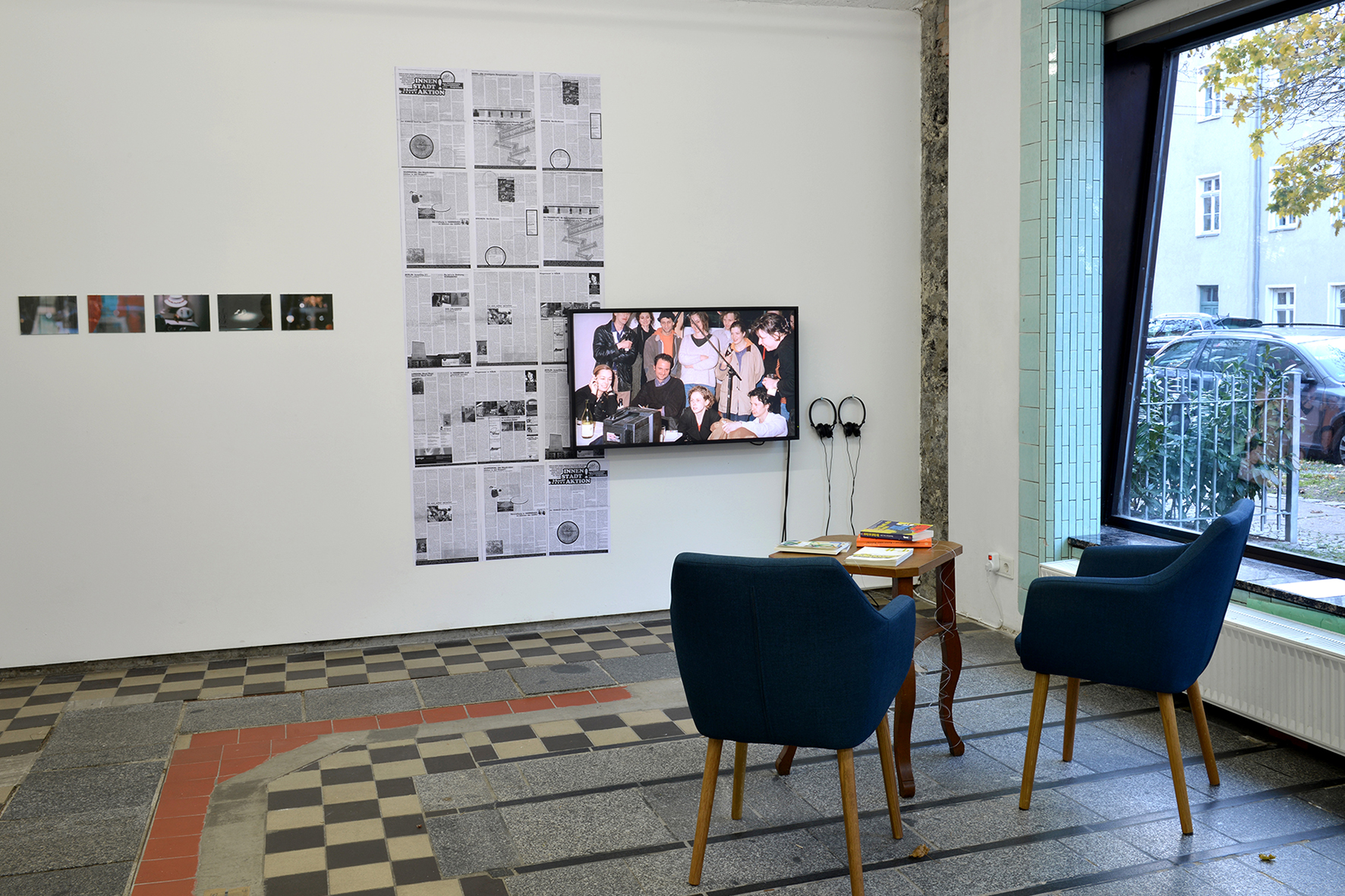
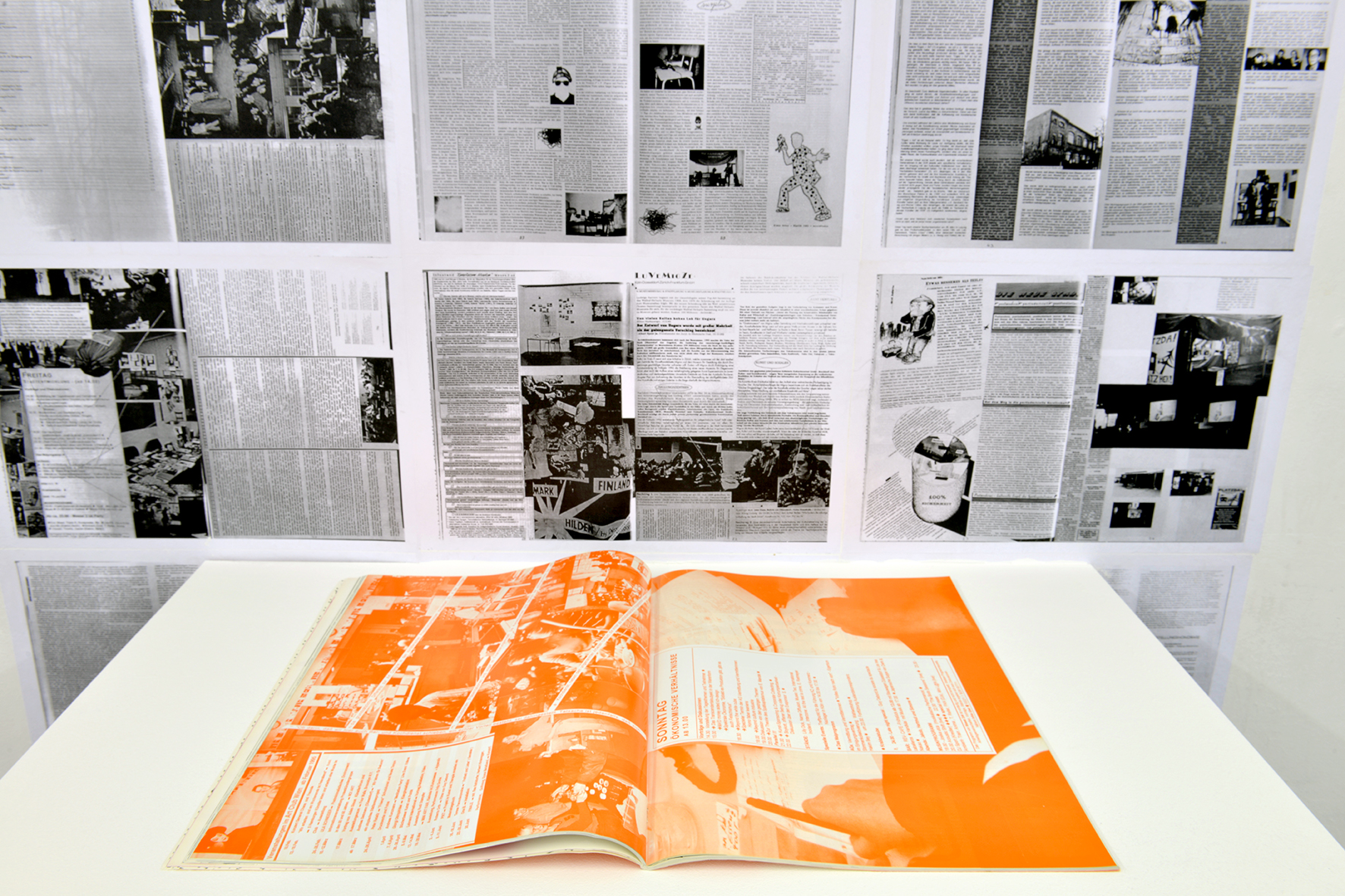
Taking place in 1997 and 1998 in different cities in Germany and in Switzerland the “Innenstadtaktionen” were activities organized with significant participation by political activists from the art context. Katja Eydel, who was also participating, documented some of the Berlin actions at the time. For the exhibition, Ina Wudtke has put together the video Innenstadtaktionen (2020), consisting of Eydel’s photographs and new fragments of interviews with artists formerly involved in the activities. Kollektive Erinnerungen (collective memories) thus gives insight into the political context of the time in Berlin and is a significant testimony of the art production connected to it.

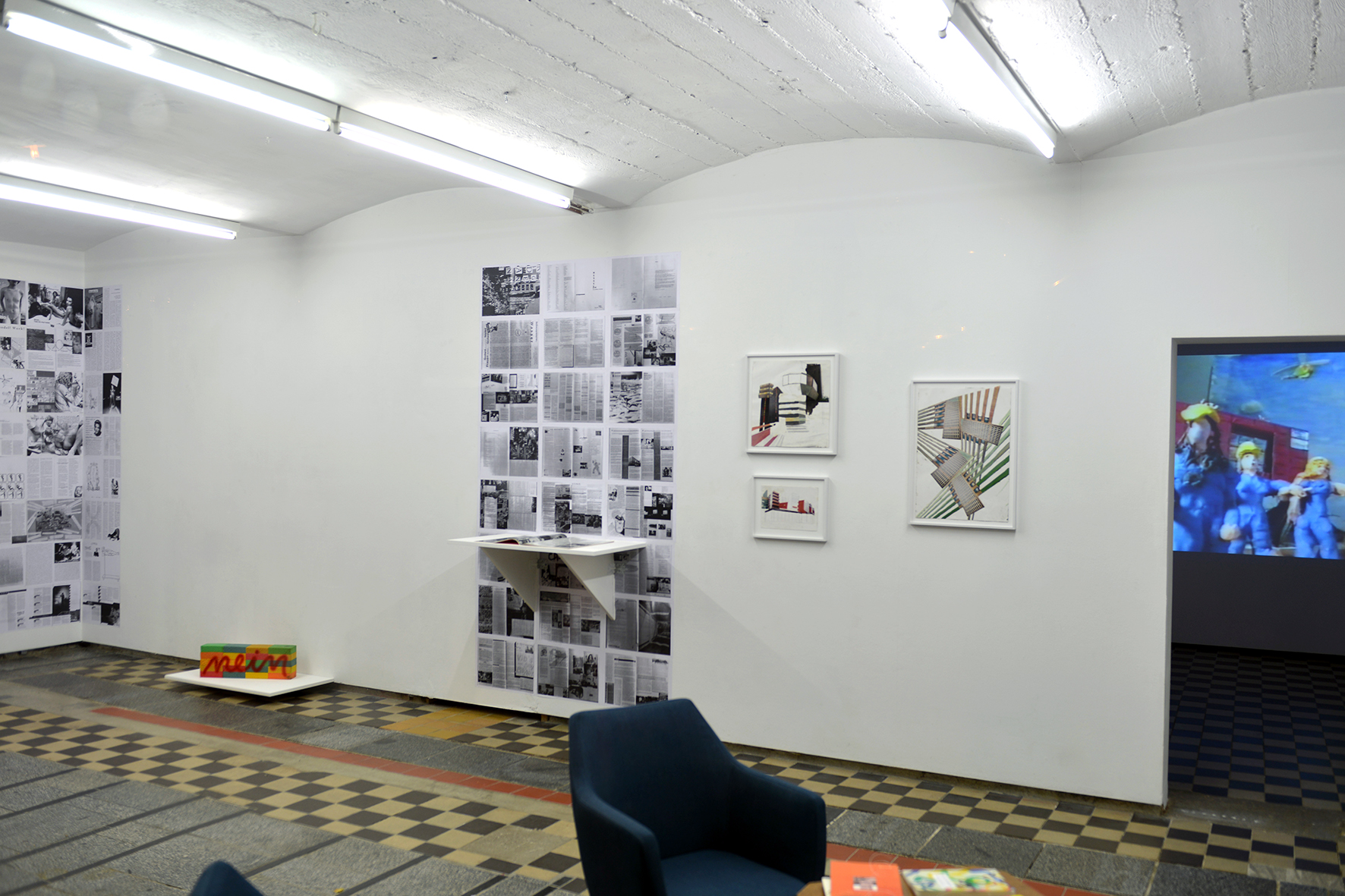
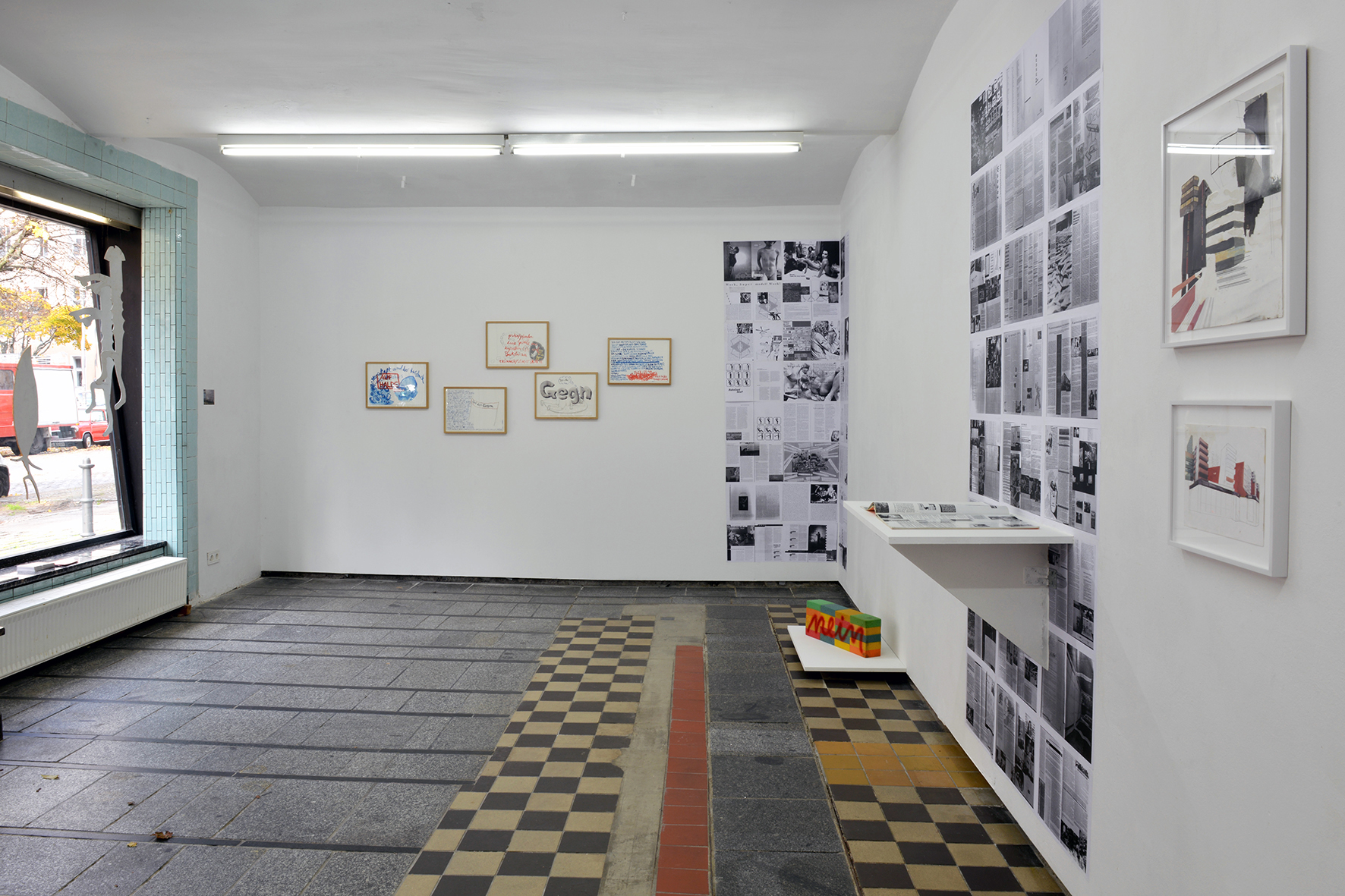
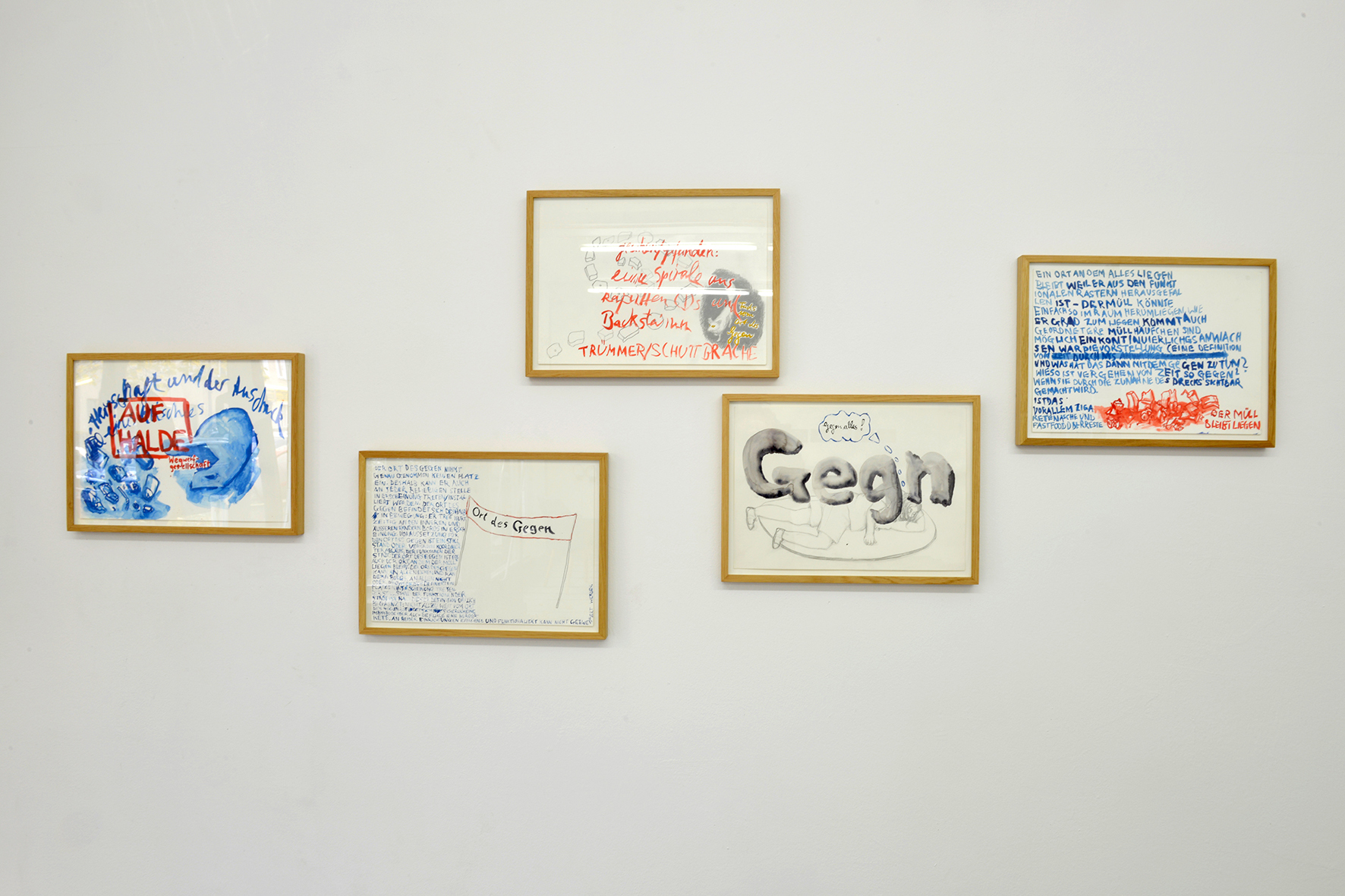
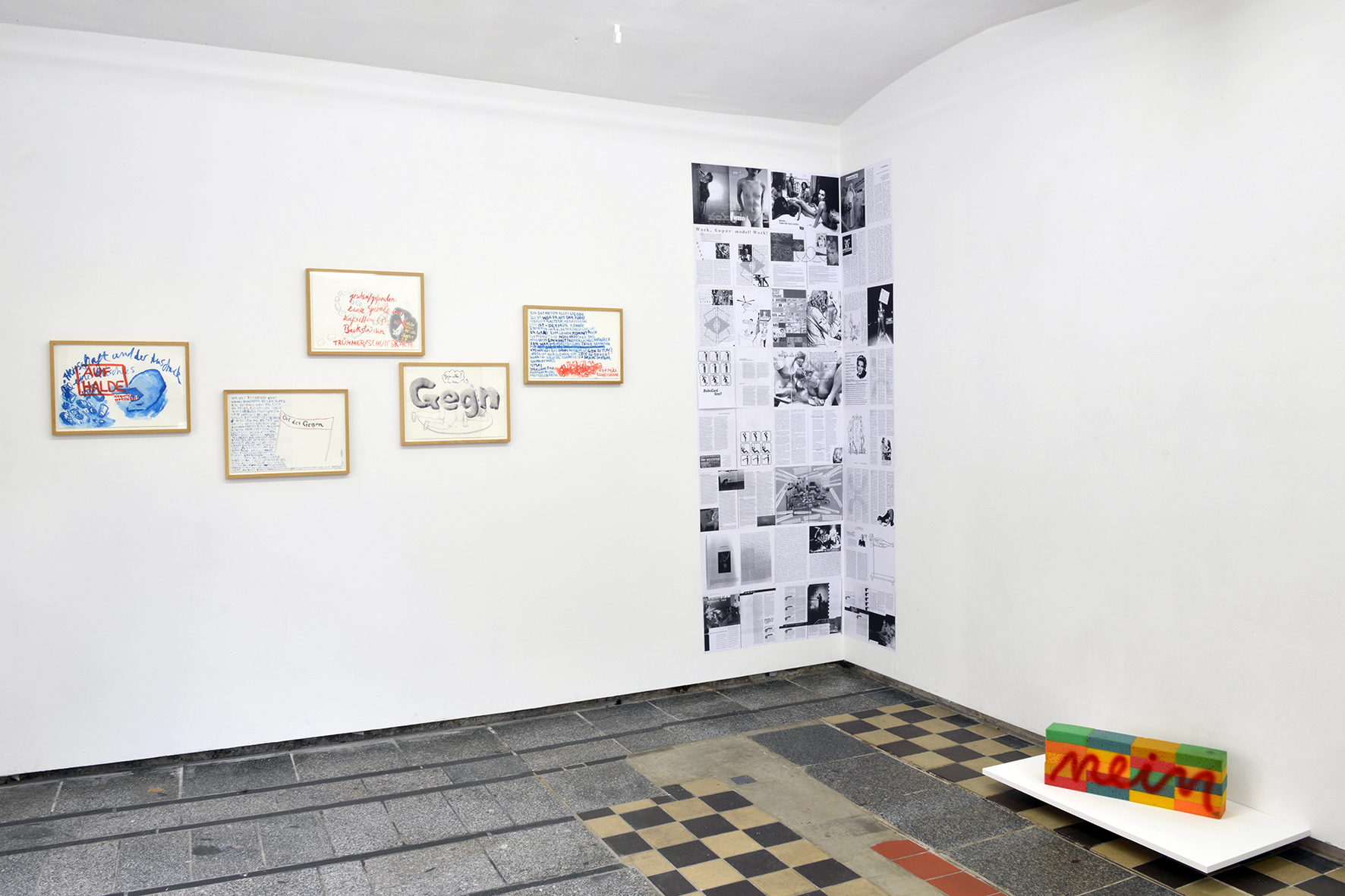
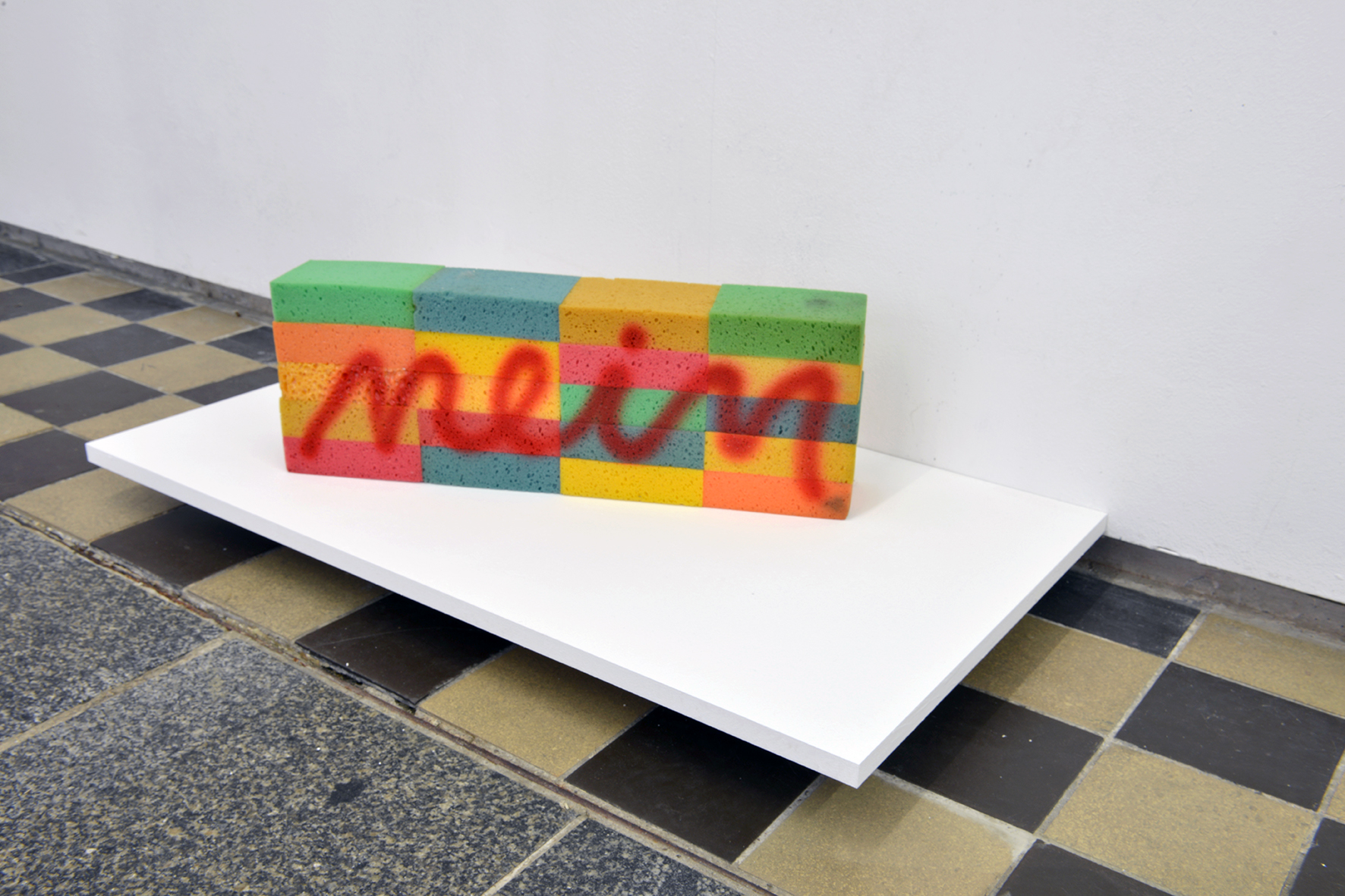
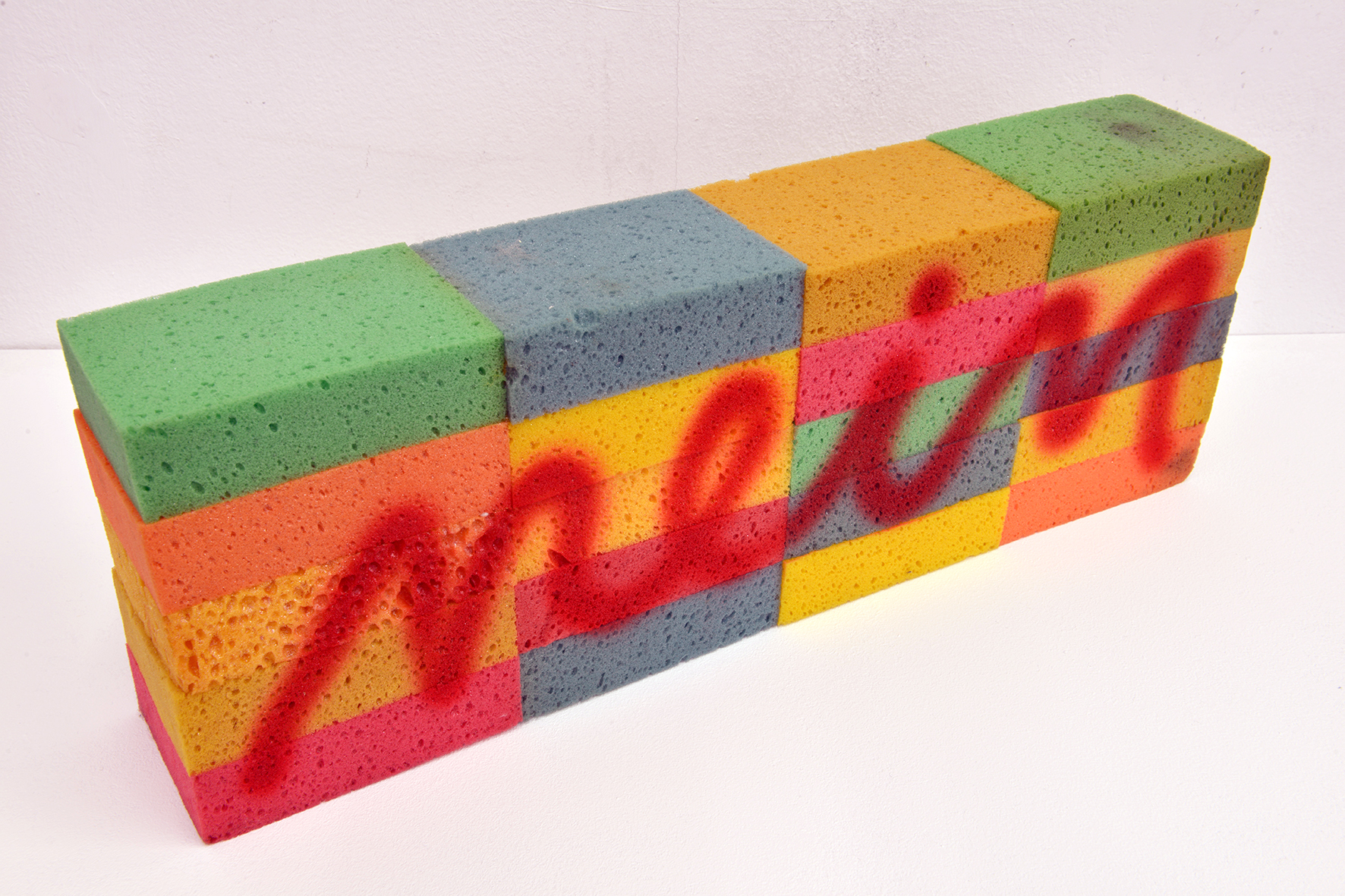
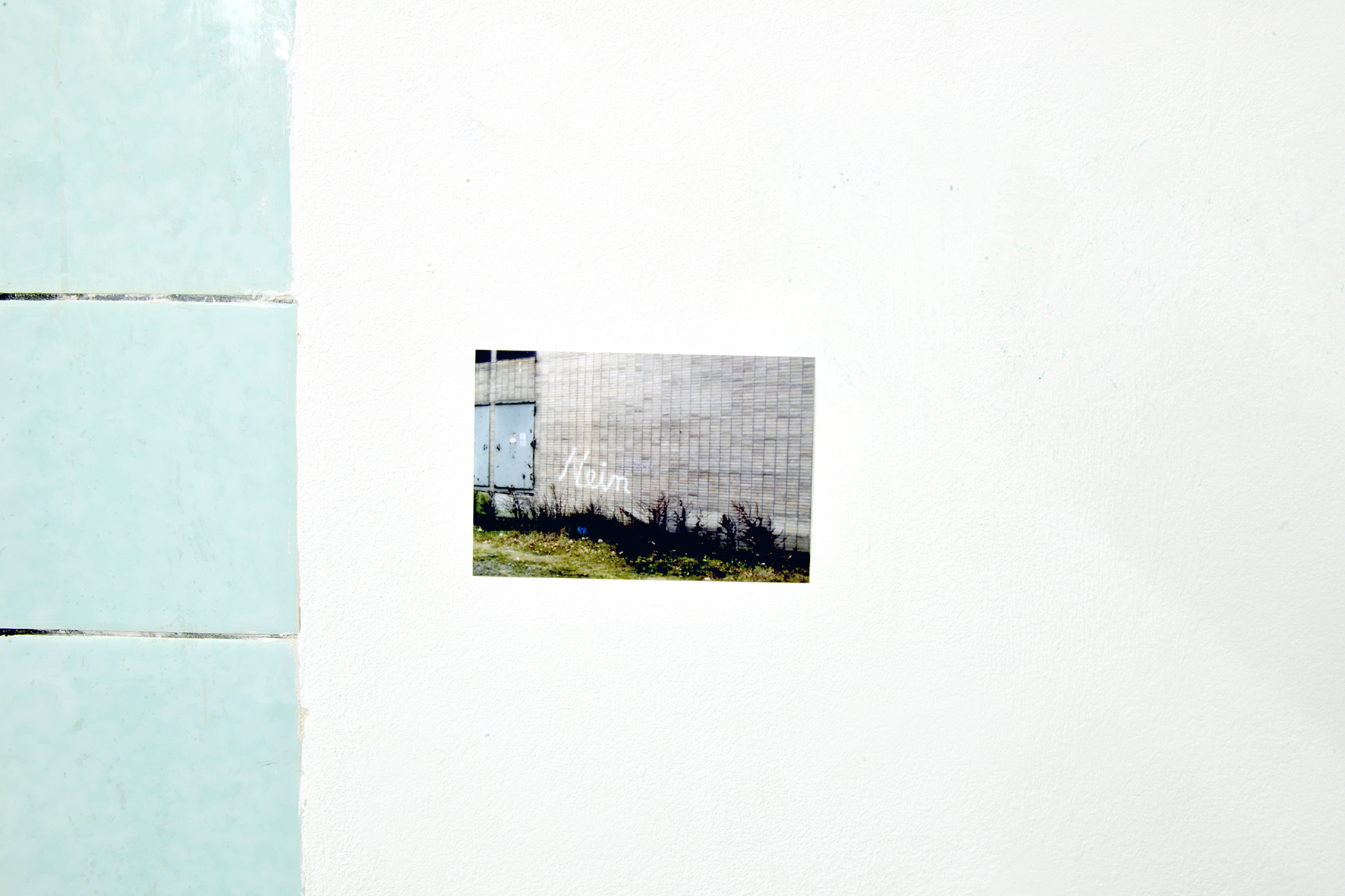
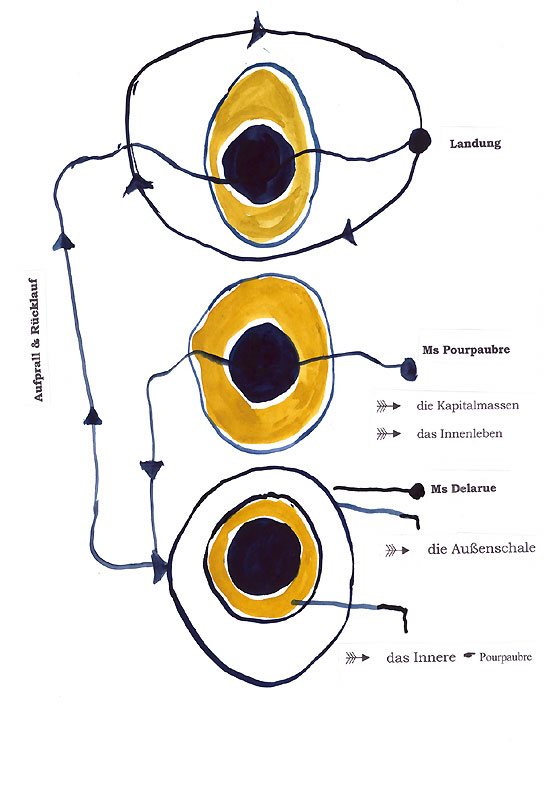
Hamburg based artist Annette Wehrmann (1961–2010) worked on a long-term project that explored urban space, titled Ort des Gegen. It followed the idea that the quality of a city depends on the number of undeveloped, freely available areas. She concluded that, under neoliberal conditions, the “Ort des Gegen” is able “to take the form of a thorough refusal of exploitation”. It becomes the “flipside” of utopia, “a place, where waste sediments and is not being disposed” (from Annette Wehrmann’s text Ort des Gegen, 2002). The exhibition includes five gouaches from the series as well as the foam sculpture Nein.

As one of the first to publish Annette Wehrmann’s Luftschlangentexte, the artist magazine NEID (1992–2004) also documented fragments of the “Innenstadtaktionen” in Berlin. The exhibition features issues of NEID #4 and NEID #7.

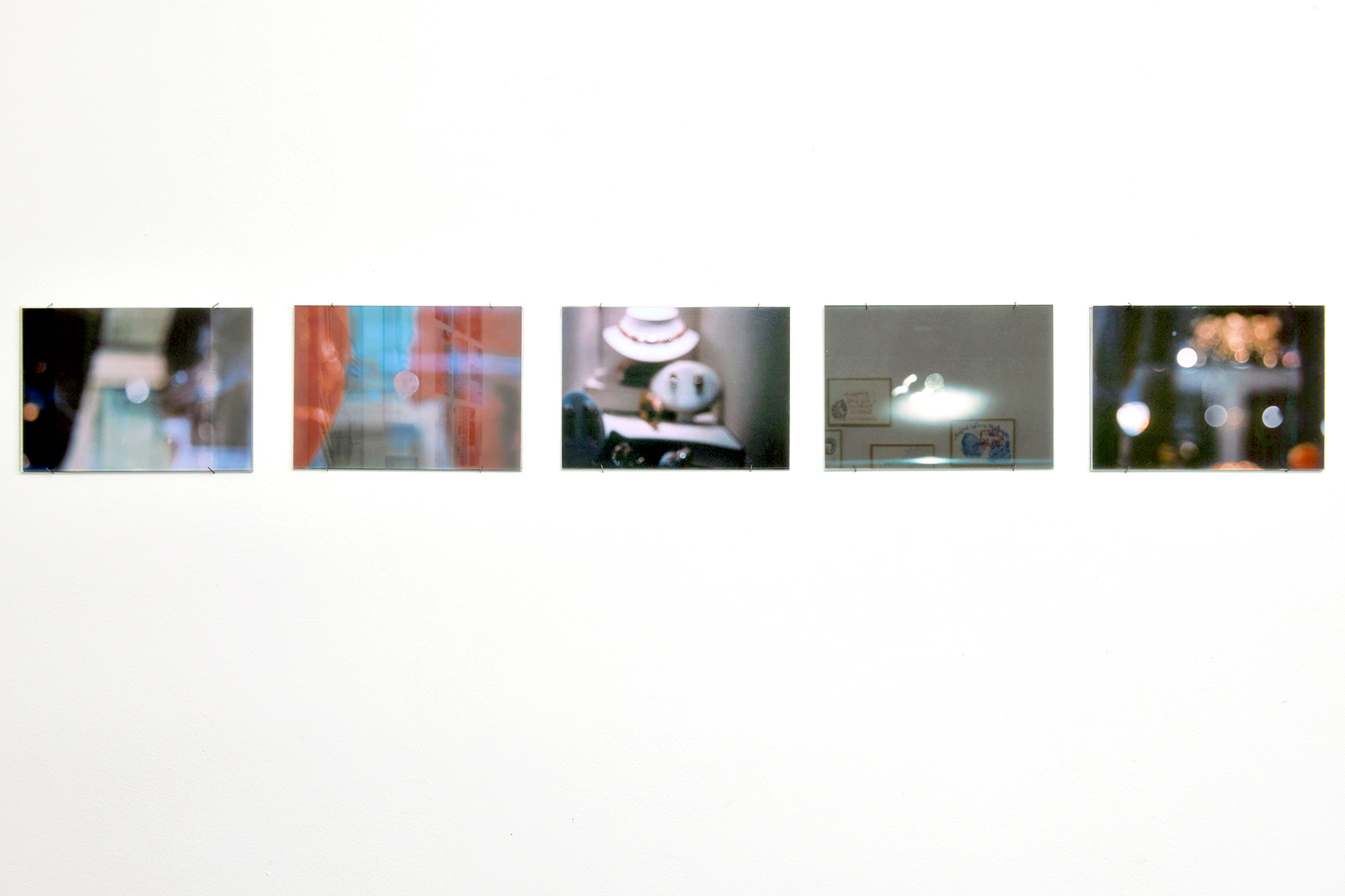
Further, Stadt und Knete presents a series of photographs depicting fingerprints on window fronts of luxury boutiques from 1995 by Josef Kramhöller (1968–2000).

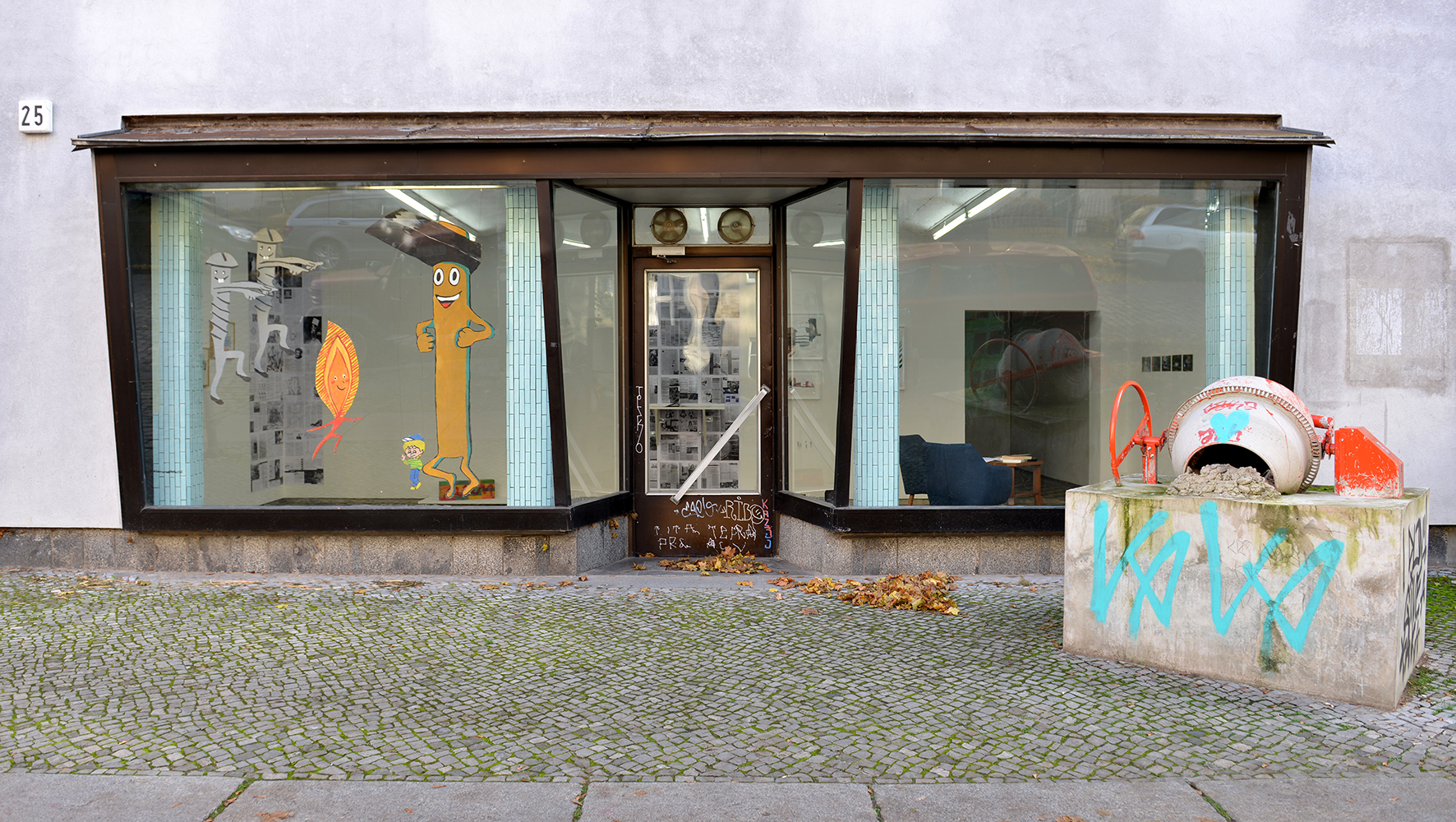
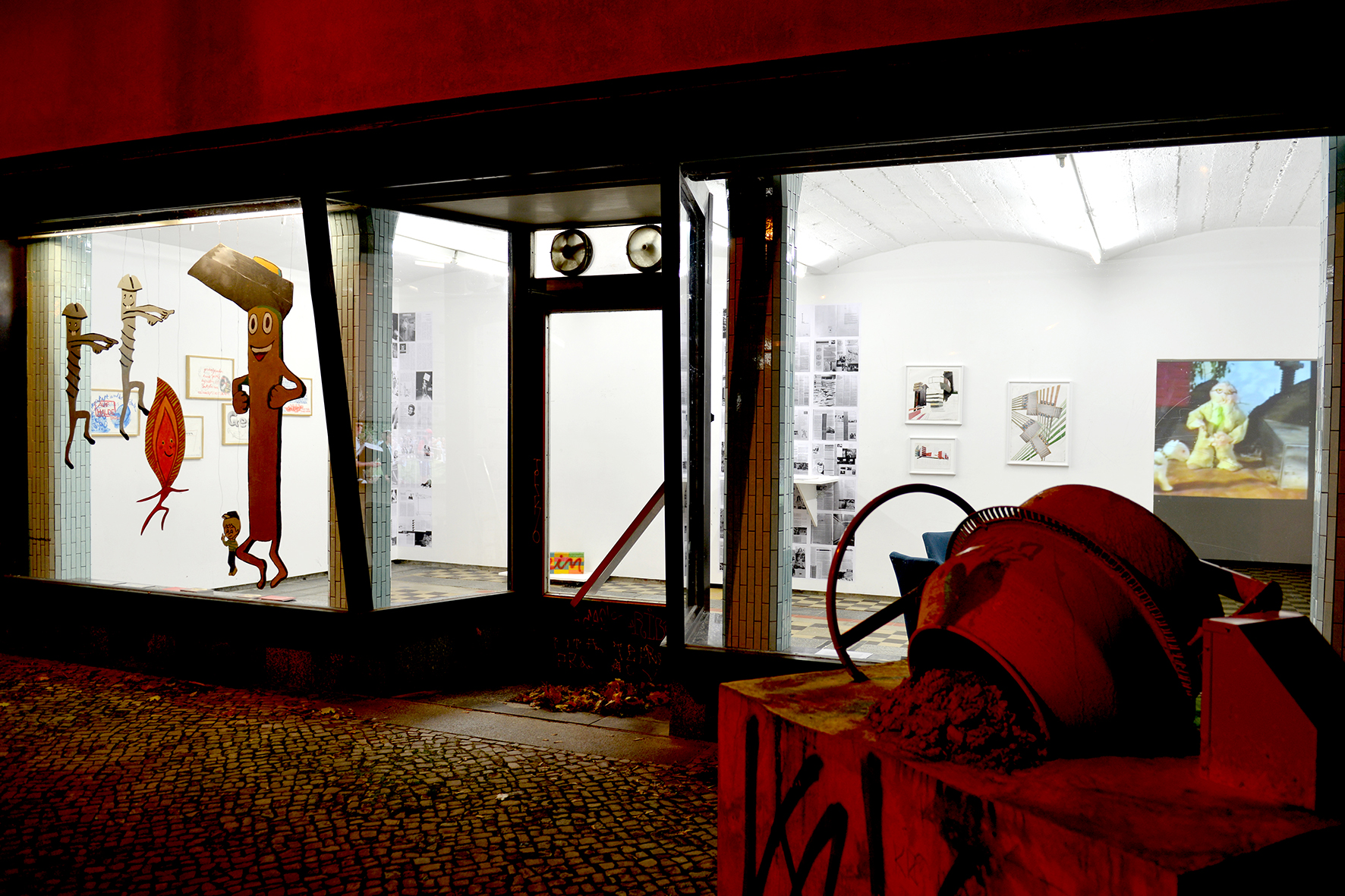
Alongside Amelie von Wulffen’s collaboratively produced video works, the exhibition presents three photo collages depicting buildings in East Berlin reflecting her enthusiasm for the Soviet modernism and the remaining parts of a shop window installation from 1996. The plywood figures depict both found and invented logos of manual craft’s companies.

Photo- and video documentation: Ines Lechleitner

About the artists:

A-Clip, are political short films collectively produced by artists and activists for the cinema, in 1997 and 2000.

Jaaaa (Josef Strau, Amelie von Wulfen, Ariane Müller, Alice Creischer, Andreas Siekmann) was founded in 1996 in Berlin to collaboratively produce animation videos.

Gruppe Gummi K (Alice Creischer, Martin Ebner, Christoph Keller, Ariane Müller, Andreas Siekmann, Nicolas Siepen, Josef Strau, Klaus Weber, Amelie von Wulffen) emerged from the group Jaaaa in 1997 and continued working on video animations.

Josef Kramhöller (1968–2000) was an artist and author. He studied painting at the Akademie der Bildenden Künste in Munich and at the Chelsea College of Art and Design in London. His practice spanned performance, photography, painting, drawing, and text.

MicroStudio Surplus was the name for a temporary studio in Burgstrasse, Berlin. It does not denote a fixed constellation of participants.

NEID was a queer-feminist magazine founded in 1992 by Hans-Christian Dany, Claudia Reinhardt, Heiko Wichmann, and Ina Wudtke at the Hamburg Academy of Fine Arts. It was published by Ina Wudtke from 1995–2004.

Annette Wehrmann (1962–2010) was an artist and author. She studied Fine Arts at the Academy of Fine Arts in Hamburg and at Städelschule in Frankfurt. Her work revolved around topics of urban space and forms of self-organisation.

Ina Wudtke, born 1968, is a conceptual artist living and working in Berlin. Her artist’s book The Fine Art of Living, which addresses issues of gentrification, was published in 2018 by Archive Books, Berlin.

Amelie von Wulffen, born 1966, lives and works in Berlin, studied at the Academy of Fine Arts in Munich. Her practice entails painting, collage, drawing, and installation. She was represented at the 50th Venice Biennale and Manifesta 5.

Funded by:

after the butcher would like to thank the Kienzle Art Foundation for the kind loan of Josef Kramhöller’s photographic works.

atb #04 | Half Jacket – Half Human

Alice Creischer, Andreas Siekmann and the Brukman labourers

Opening: Friday January 19, 2007, 7pm
Exhibition: January 20 – February 17
open: Friday and Saturday 3 – 7pm or by app.

* Title is borrowed from a song by Annette Wehrmann, Christoph Schäfer and Cathy Skene, Hamburg 1988


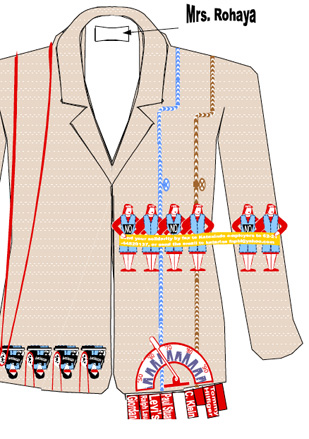
Alice Creischer: for “Mrs. Rohaya” (draft)

after the butcher – showroom for contemporary art – is pleased to present &Mac226;Half Jacket – Half Human’ an exhibition with Berlin based artists Alice Creischer and Andreas Siekmann. The show comprises drawings and in particular ten suits which were developed by the artists in collaboration with labourers of Brukam an occupied textile mill in Buenos Aires.
Creischer and Siekmann do their work both separately and collaboratively. Developing radical critique on the structures of power and domination their projects mostly deal with political and social questions of our everyday-life. They question us and themselves to what extend the search for alternative living and working conditions may deliver solutions of the conflicts and contradictions.
Creischer and Siekmann are doing this not only as artists but as curators, too. They organized group shows like “Violence is at the Margin of All Things”, Generali Foundation, Vienna in 2002 and „ExArgentina“, Museum Ludwig, Cologn in 2003.
Alice Creischer was awarded with the Edward Munch-Prize in Oslo, 2006. Andreas Siekman will participate at Sculpture-Projects Munster – both will participate at Documenta XII in Kassel.

Saturday, February 3, from 7pm: short animation films and discussion

As part of the exhibition &Mac226;Half Jacket – Half Human’ after the butcher is showing five animation films by Alice Creischer und Andreas Siekmann. They are part of a ‘science fiction’ of a labour liberated society. Afterwards the artists, together with Christian von Borries will present their plan for a musical (opera) for a “labour liberated society” to be staged in a shopping mall in Kassel. There will be the opportunity to discuss. („Opera“ and „labour liberated“ are temporary and to the artists quite uncanny terms.)

The below text is not available in English yet.

Alice Creischer und Andreas Siekmann über ihre Arbeit „Half Jacket – Half Human:

„Im Dezember 2002 wurde die Kleiderfabrik Brukman in Buenos Aires von den Arbeiterinnen besetzt und wird seitdem von ihnen in Eigenregie weitergeführt. Diese Besetzung ist kein Einzelfall, sondern Teil einer Bewegung von Fabrikbesetzungen und neuen Experimenten von Selbstregierung, die vor und nach der ökonomischen und politischen Krise in Argentinien im Dezember 2001 stattfinden. Im Rahmen unseres Projektes ExArgentina haben wir zusammen mit den Arbeiterinnen von Brukman zehn Anzüge hergestellt. Sie sind geteilt; ihre Hälften erzählen zwei parallele Geschichten über die Symmetrie von Krise: die Besetzung der Fabrik und die Communiques auf dem G8 Gipfel, der 1999 im Museum Ludwig in Köln stattfand, als der argentinische Präsident Menem noch der Lieblingsschüler der neoliberalen Weltfunktionäre war. Ein Teil der Anzüge wurde 2003 in der Ausstellung: „ExArgentina – Schritte zur Flucht von der Arbeit zum Tun“ im Museum Ludwig in Köln gezeigt. ExArgentina war ein Projekt, in dem Künstler aus Argentinien und Europa über die argentinische Krise als Modellfall für die Auswirkungen der internationalen Wirtschaftspolitik und ihrer neoliberalen Ideologie arbeiteten.
Man kann sagen, dass „Brukman“ eher von den Unternehmern verlassen als von den Arbeitern besetzt wurde. Man kann auch sagen, dass die Kapitalflucht eher ein Merkmal der Flexibilität von Investment ist, als das von Krisen, wenn Krisen Ausnahmen bezeichnen. Die politische Verständigung der Gipfel ist eher eine Ermöglichung als eine Intervention in diese Krisenhaftigkeit, die keine ist.
Aber die Flucht des Kapitals produziert nicht nur Opfer, sondern sie hat eine Symmetrie in dem Verlassen seiner Ordnung, seiner Versprechen und seines common sense. In ihrem langen Kampf gegen die Polizei, wurde „Brukman“ ein Symbol für diese Flucht von der Arbeit zu einem anderen sozialen Tun.
2005 wurde ExArgentina in Buenos Aires gezeigt. Allerdings war es nicht mehr dieselbe Ausstellung, wie vor zwei Jahren, u.a. weil es einen politischen Prozess gab, den man Normalisierung nennen kann und der für Europa und Südamerika gleichermaßen gilt. Diese Normalisierung betraf auch Brukman.
Es gibt verschiedene Methoden von „Normalisierung“. Eine ist die Kriminalisierung der Bewegungen. Eine andere heißt Vereinnahmung. Sie ist schwieriger zu schildern, weil Vereinnahmung nie so total ist, wie sie gerne wäre, und weil man dazu neigt, etwas schnell als „vereinnahmt“ abzuhaken und nicht merkt, wie sehr man selbst in diesem Urteil etwas „normalisiert“. Für die Ausstellung in Buenos Aires, die “La Normalidad” hieß, sind zwei neue Anzüge entstanden. Sie sind wieder in zwei Hälften geteilt. Die einen Hälften erzählen von dem Boykott von chinesischen Textilwaren in Europa und von einem Streik, der 2005 in der indonesischen Kleiderfabrik Katexindo Citra Mandiri stattfand. Die beiden anderen Hälften erzählen die Geschichte der Fabrik Brukman weiter und schildern einen Konflikt: Durch die Vermittlung des Anwalts Luis Caro wird der Betrieb und seine Produktion von der Stadt geduldet. Dieser Status der „Duldung“ ist ein vollkommen ungesicherter und kann sich daher jederzeit in eine Drohung verwandeln, die für die Arbeiterinnen politische Aussagen erschwert und Aktivitäten erstickt. Möglicherweise gibt es auch eine Form der Erschöpfung, die von einigen Funktionären ausgenutzt wird, um die „Ordnung“ – die Unberührbarkeit und Trennung zwischen Politik und Arbeit – wieder einzurichten. Viele Arbeiterinnen haben diesmal der Umsetzung unserer Entwürfe nur zögernd zugestimmt. Umso mehr schätzen wir den Mut derjenigen, die dies trotz Drohung mit Repressionen getan und unsere Kooperation auch initiiert haben.
Für uns selbst als EU-Mitglieder hat sich in dieser Zusammenarbeit wenig die Frage gestellt, ob wir in dem Gefälle unserer Privilegien die Arbeiterinnen ausnutzen und eine weitere Authentik im Kunstbereich ausspielen. Zu sehr überzeugte uns die Gelegenheit, dass es wichtig ist, eine Bewegung zu würdigen. Uns scheinen in Europa solche Formen von Kooperation blockiert zu sein, möglicherweise, weil die gegenseitigen Ressentiments in ihrem Anspruch auf Wahrheit und Coolness eine mögliche Solidarität verdrängen. Vielleicht sind diese Ressentiments auch leerlaufende Gebetstrommeln, weil sie sich auf keine soziale Realität sondern nur noch auf historische Klischees beziehen – ohne eigene Erfahrung. Deswegen möchten wir die Anzüge hier zeigen.“