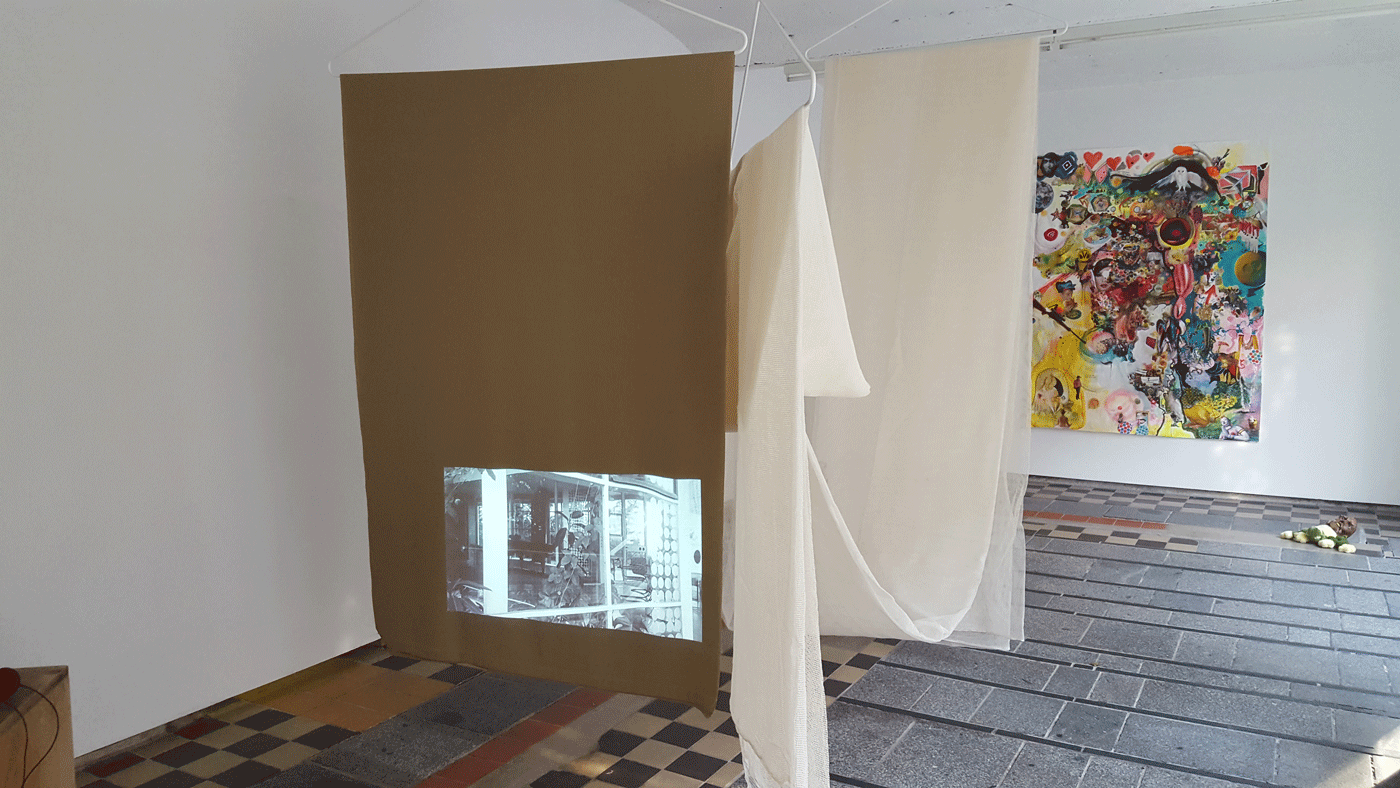
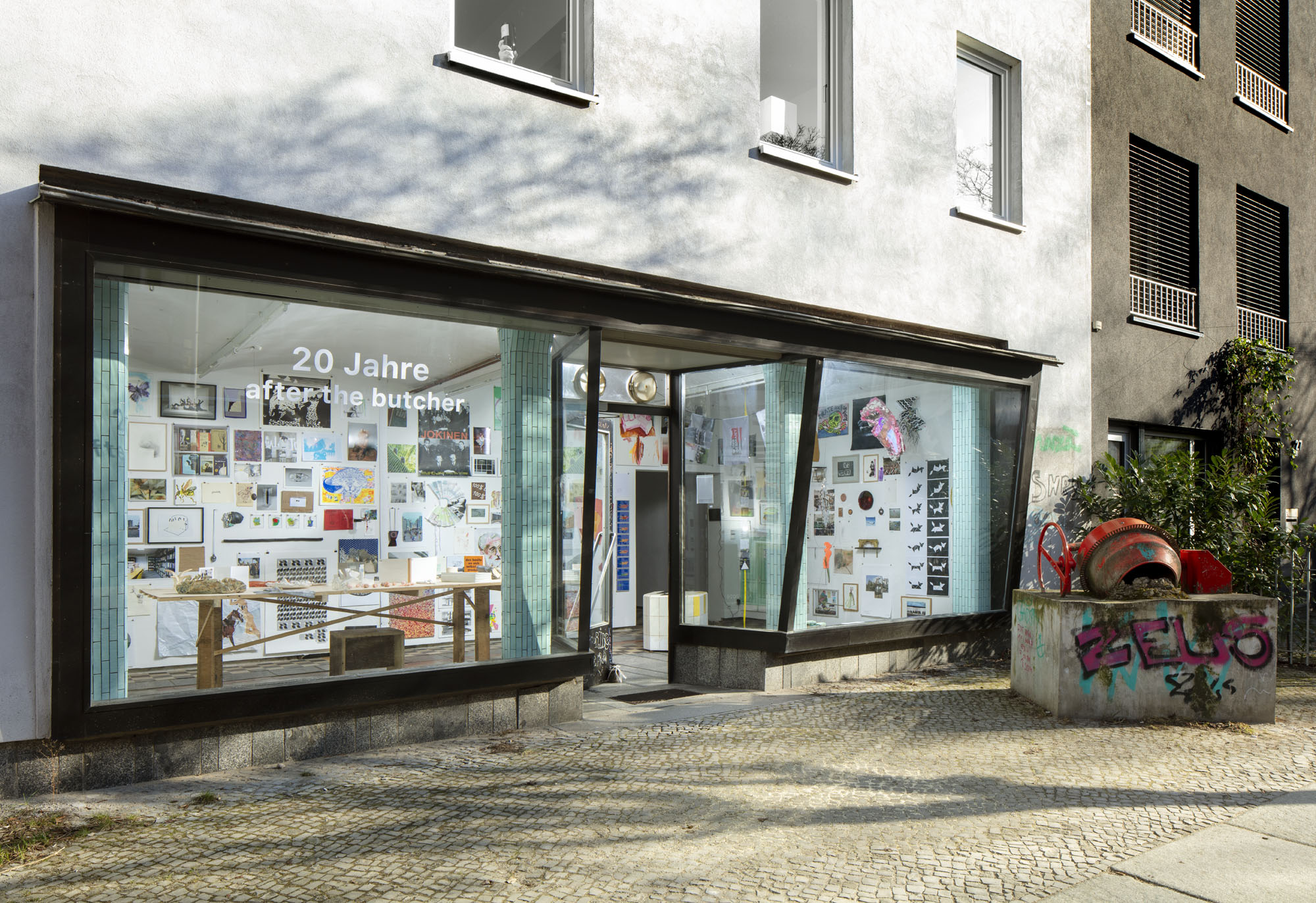
anniversary exhibition!
Finissage: Sunday, 12 April, 3-6 p.m.
Until than open only by appointment: 01783298106 or
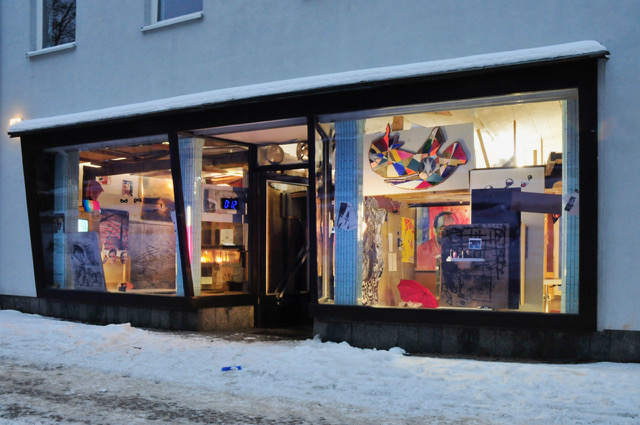
For 20 years, ATB has developed artistic practice in the social sphere – for solidarity, debate, publicity and independence.
To mark this anniversary, we are bringing together companions, accomplices and future allies:
Over 200 artists are participating with fantastic works of art – almost all of which are solidarity contributions.
Come along, celebrate with us – and support our artistic and political work.
We would like to express our sincere thanks to all artists involved for their generosity and trust:
Endre Aalrust, Mohamed Abdulla, Tanya V. Abelson, Erfan Aboutalabi, Lena-Elise Aicher, Efe Aksu, Heather Allen, Ulf Aminde, Ayreen Anastas & Rene Gabri, Michel Aniol, Benjamin Badock, Michael Baers, Jamila Barakat, Thomas Bayrle, Göksu Baysal, Oliver Belling, Anastasiia Belousova & Nico Dasenbrock, Elisa T. Bertuzzo, Charlotte Besuijen, Wolfgang Betke, Michael Beutler, J.R. Blank, Frauke Boggasch, Angela Bonadies, Charlotte Bonjour, Shannon Bool, Elfe Brandenburger, Axel Brandt, Ulu Braun, Wolfgang Breuer, Peter Bux, Suna Choi, Ezra Æ. Church, Costantino Ciervo, Clegg & Guttman, Paul Coldwell, Daniela Comani, Alice Creischer, Sambaran Das, Chto Delat, Winfried Demhartner, Jean-Ulrick Desert, Almut Determeyer, Stephan Dillemuth, Discoteca Flaming Star, Dogan Dogan, Antje Dorn, Eva Durovec, Jutta Eberhard, Martin Ebner, Maria Eichhorn, Michaela Eichwald, Pia Leon Eikaas, Lukas Einsele, Robert Estermann, Katja Eydel, Nadine Fecht, Gard Frantzsen, Heiner Franzen, Doris Frohnapfel, Else Gabriel, Geoffrey Garrison, Florian Gass, Stephan Geene, Axel Gerber, Ingo Gerken, Surya Suran Gied, Gregor Gleiwitz, Jeremy Glogan, Erik Göngrich, Undine Goldberg, Asta Gröting, Stefan Gugerel, Florian Haas, Rosa Lena Händle, Kim Hankyul, Lydia Hamann & Kaj Osteroth, Alex Hamilton, Sebastian Hammwöhner, Tang Han, Lise Harlev, Eva Haule, Jochem Hendricks, Philipp Hennevogl, Cornelia Herfurtner, Friedrich Herz, Heidrun Holzfeind, Andy Hope 1930, Laura Horelli, Sonja Hornung & Daniele Tognozzi, Florian Hüttner, Franziska Hufnagel, Dominique Hurth, HUSS WEISE, Stephan Janitzky, Maarten Janssen, Anet Jünger, Anne Kaminsky, Wendelin Kammermeier, Johanna & Helmut Kandl, Heiko Karn, Katharina Karrenberg, Annette Kierulf, Caroline Kierulf, Thomas Kilpper, Hyon-Soo Kim, Gisela Kleinlein, Barbara Klinker, Franziska Kneidl, Karen Koltermann, Caroline Krause, Till Krause, Solon Krieger, Petra Kübert, Luis Kürschner, Thomas Lang, Gergely László, Birgit auf der Lauer, Laurie Lax, Julia Lazarus, Ines Lechleitner, Niina Lechtonen-Braun, Jens Lehmann, Leon Locher, Thomas Locher, Malte Lochstedt, Romain Loeser, Victoria Lomasko, Britta Lumer, Flo Maak, Haure Madjid, Lee Maelzer, Katrin von Maltzahn, Rita Marhaug, Maslowski/Grenzhaeuser, Corinna Mayer, Hans-Jörg Mayer, Jonathan McLeod, Eric Meier, Eva Christina Meier, Michaela Melian, Helmut Menzl, Lilly Merck, Yves Mettler, Karolin Meunier, Jöran Möller, Jörg Möller, Stephan Mörsch, Eduardo Molinari, Tobias Morawski in Kollaboration mit ANPU VARKEY und TFTS/RYC, Christina Morhardt, Ariane Müller, Karsten Neumann, Rainer Neumeier, Irina Novarese, Clare O’Connor, Sim Oerthel, Julia Oschatz, Orakel, Elvis Osmanovic, Ottjörg A.C., Ludger Paffrath, Sophie Pape, Caspar Pauli, Stefan Pente, Manfred Pernice, Hans Petri, Pfelder, Ciara Phillips, Susanne Pittroff, titre provisoire (Cathleen Schuster & Marcel Dickhage), Josephine Pryde, Rena Rädle & Vladan Jeremic, JP Raether, Ayumi Rahn, Bianca Rampas, Judith Raum, Claudia Reinhardt, Barak Reiser, Gunter Reski , Bernward Reul, Mirja Reuter, Nina Rhode, Jens Risch, Stefan Römer, Judy Ross, Ulla Rossek, Anastasya Ryabova, Yaser Safi, Julia Sand, Giovanna Sarti, Edwin Schäfer, Romana Schmalisch & Robert Schlicht, Martin Schmidl, Dierk Schmidt, Konstanze Schmitt, Christian Schwarzwald, Maya Schweizer, Ulrika Segerberg, Thomas Seidemann, Eva Seufert, Katarina Šević, Setareh Shabazi, Andreas Siekmann, Nelly Siekmann, Sigune Siévi, Dominik Sittig, Sean Snyder, Kathrin Sonntag, Selou Sowe, Carola Spadoni, Sarah Staton, Ernst Markus Stein, Anton Stoianov, Veit Stratmann, Caro Suerkemper, Jan Svenungsson, Rebecco Ann Tess, Mirjam Thomann, Jan Timme, Sophie Trenka-Dalton, Petra Trenkel, Micki Tschur, Julian Turner, Sveinung Unneland, Bernadette Van-Huy, Maria Vedder, Katleen Vermeir & Ronny Heiremans, Gabriela Volanti, Raul Walch, Ute Waldhausen, Fritz Laszlo Weber, Klaus Weber, Herbert Wiegand, Philip Wiegard, Klaus Winichner, Norbert Witzgall, Alexander Wolff, Elisabeth Wood, Ina Wudtke, Florian Wüst, Simiao Yu, Simone Zaugg, Günter Zehetner, Joseph Zehrer, Anna Zett, Florian Zeyfang, Xiaopeng Zhou, Christina Zück and others
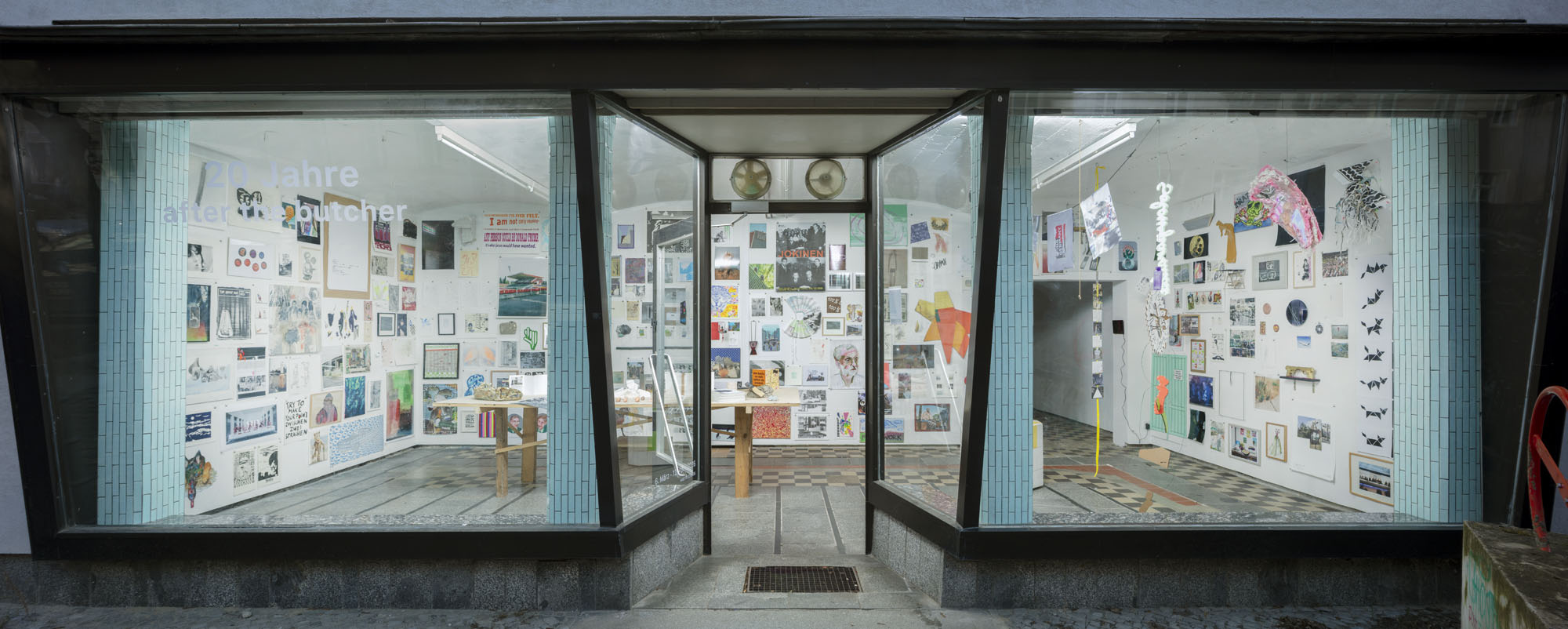
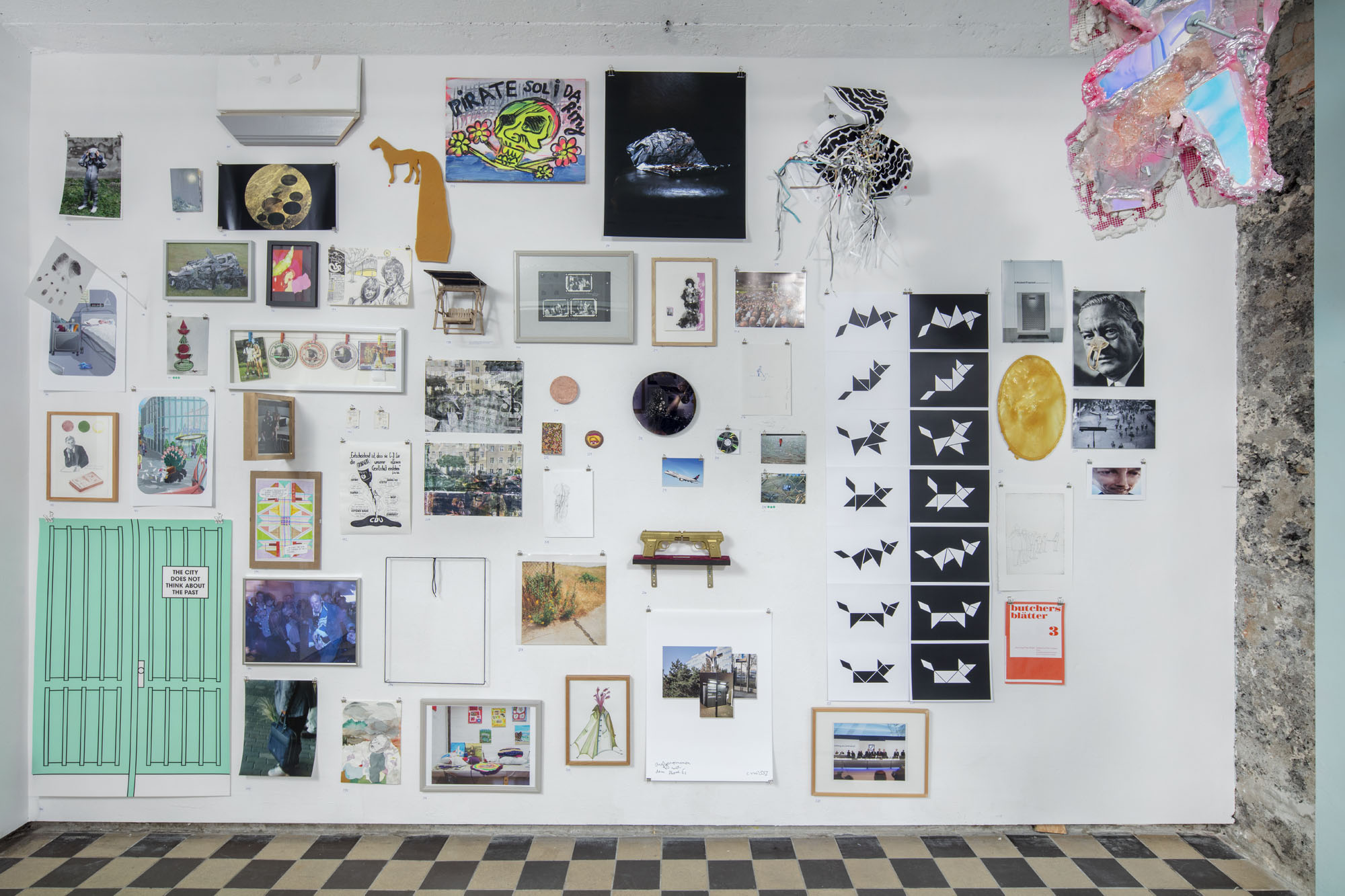
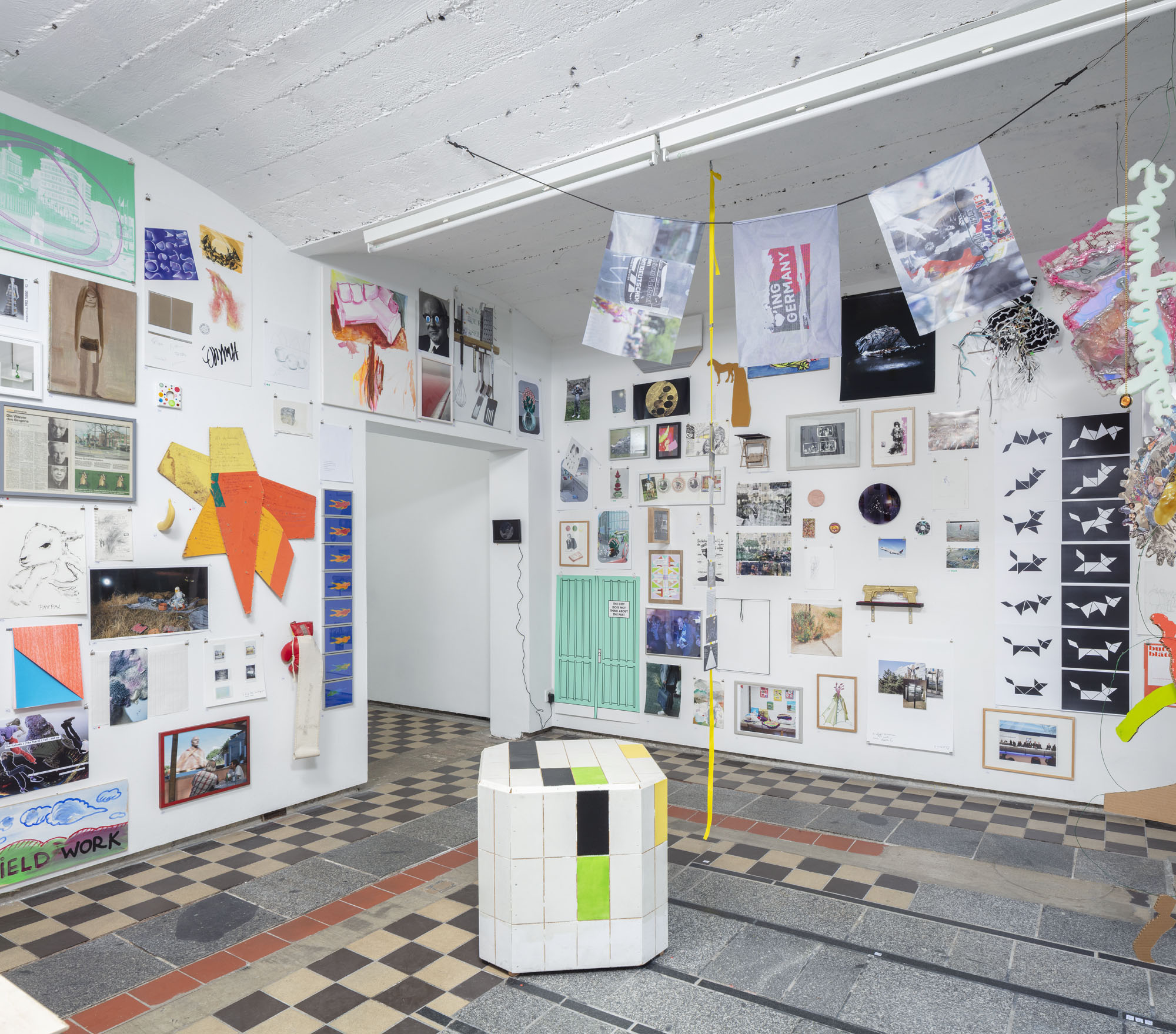
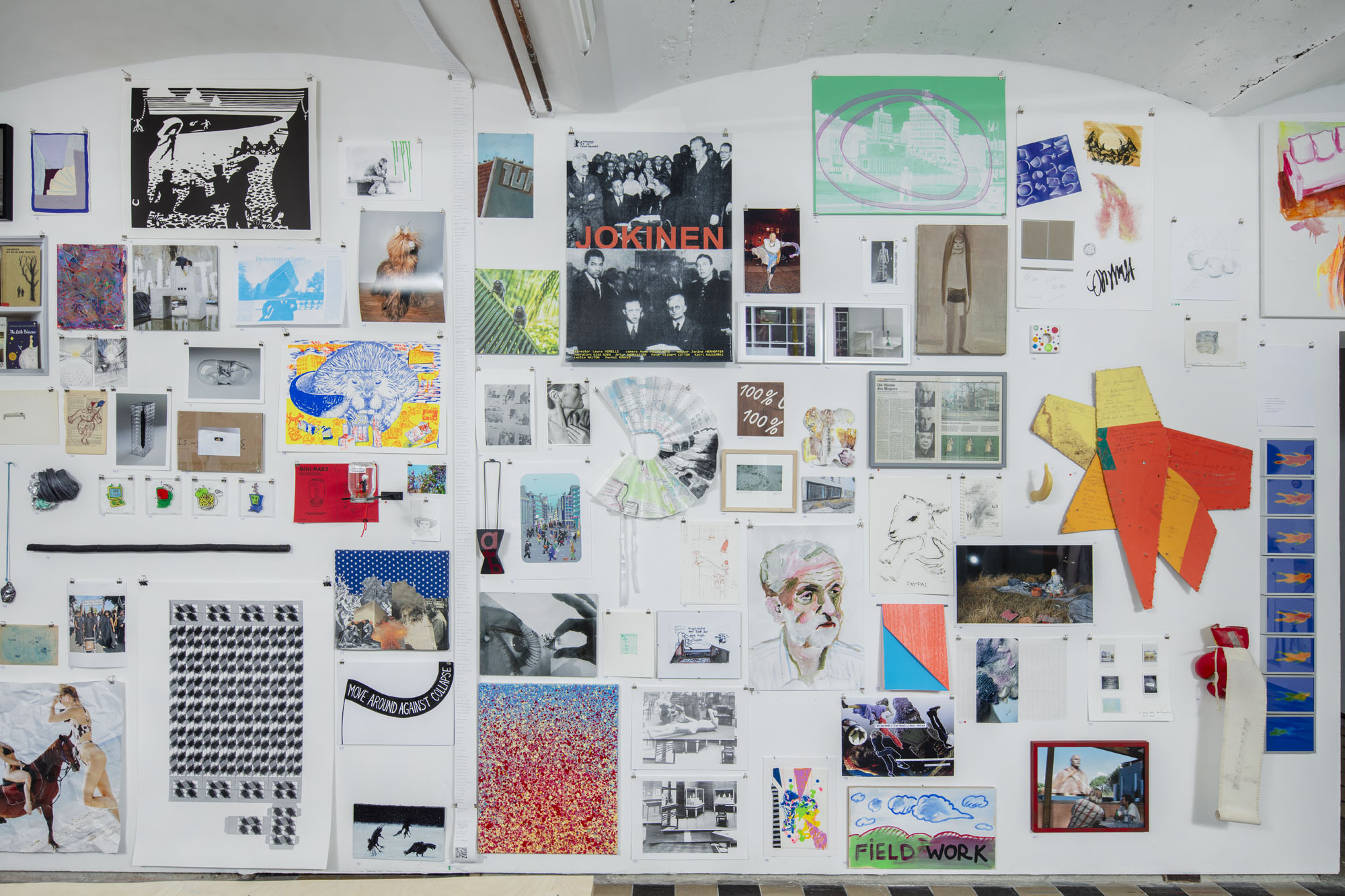
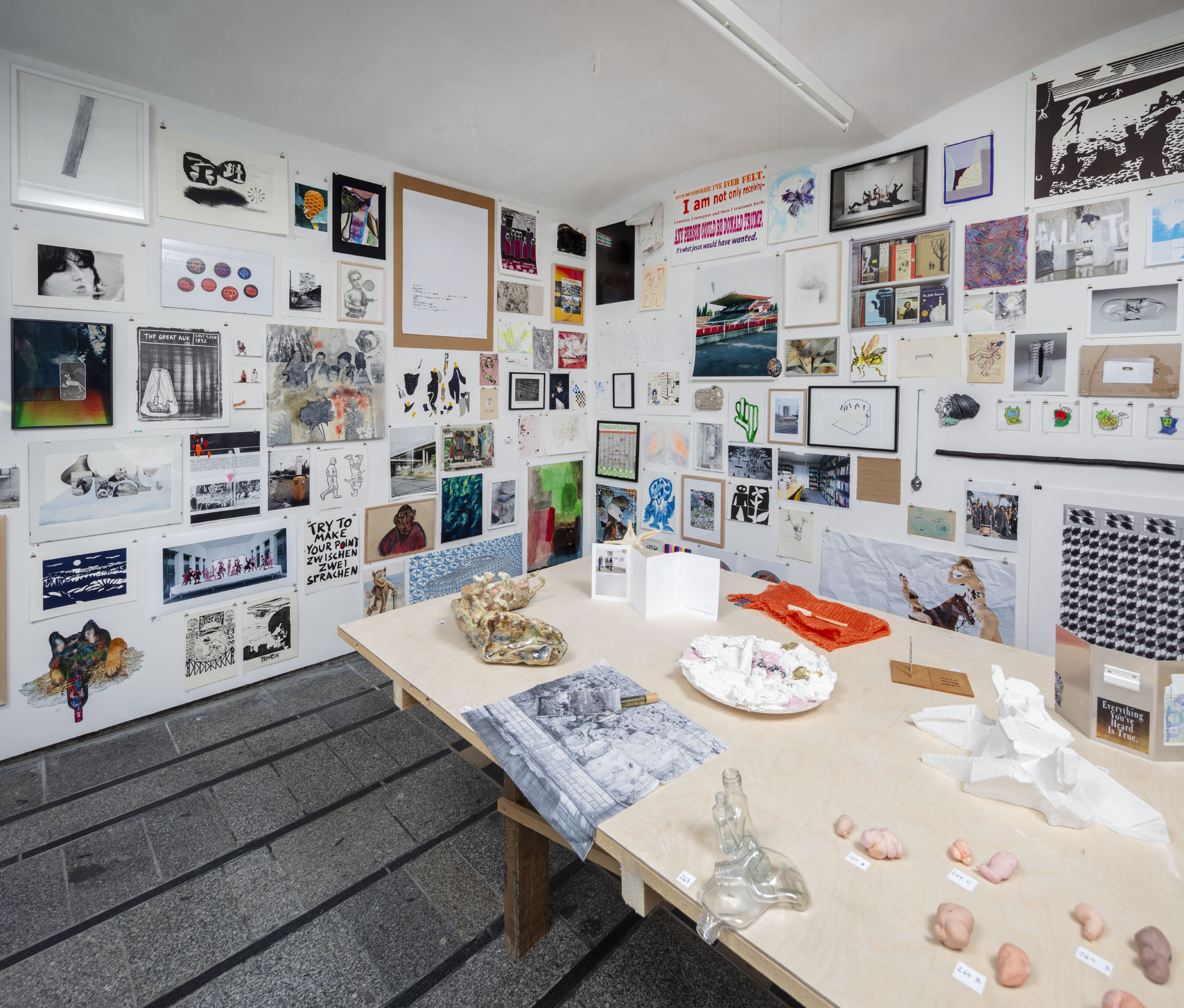
photography: Ludger Paffrath